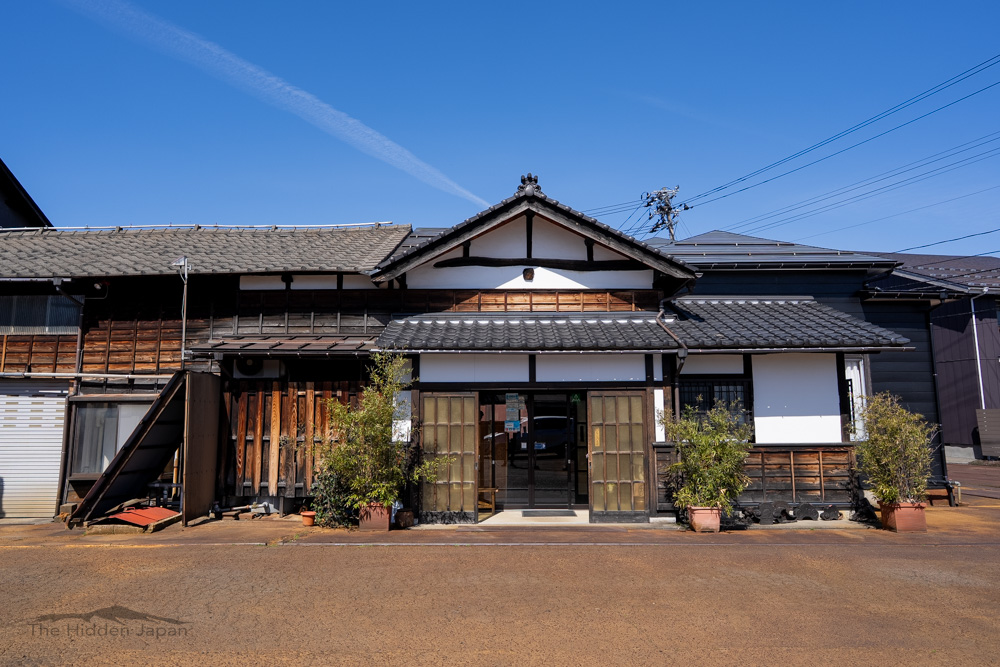

Tsubame-Sanjo
Learn about the Tsubame Sanjo area of Niigata, where approximately 95% of all tableware made in Japan is produced.

Nagaoka, the second largest city in Niigata prefecture, is located just across a strait from Sado Island on the Sea of Japan. This former castle town, once home to the Makino samurai clan, is known for incredible snowfall during the winter months. As a result, it is now a hub for sake brewers, koi fish farmers, and other intangible cultural heritage designed to make living in a place that sees an estimated 140 cm of snow per year as comfortable and prosperous as possible.
Nagaoka, Niigata
Founded during the Tokugawa shogunate in the early seventeenth century, Nagaoka was a castle town led by samurai for over 250 years.
During the Boshin War (1868–1869) Nagaoka’s Makino lords, who had allied with pro-shogunate domains, were defeated by the pro-imperial forces of the new Meiji government and the city reduced to rubble. In the late nineteenth and early twentieth centuries, the city rebuilt, only to again be reduced to rubble due to heavy firebombing during World War II.
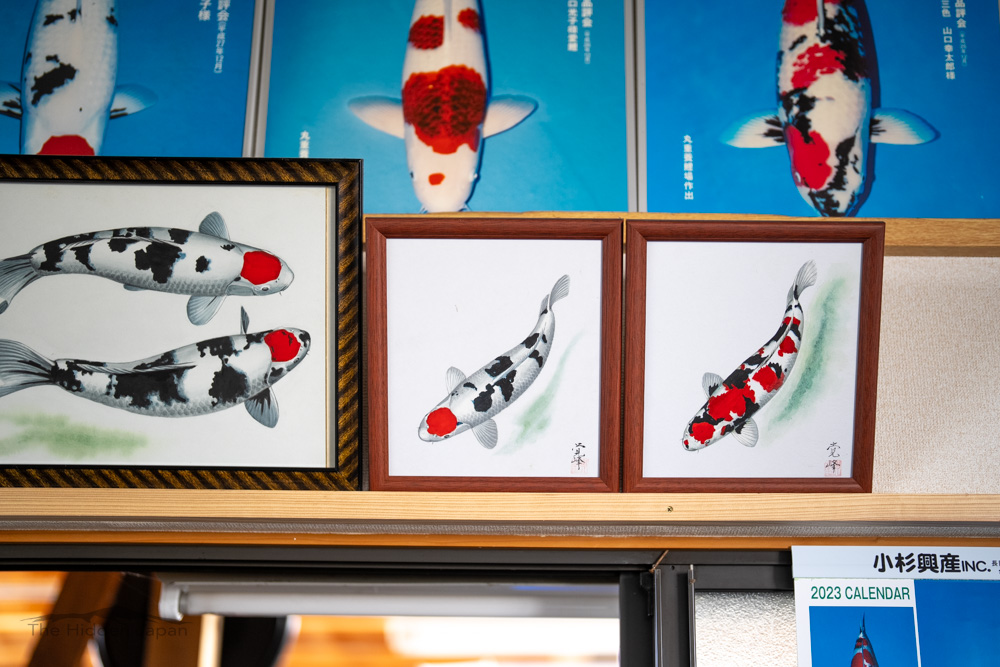
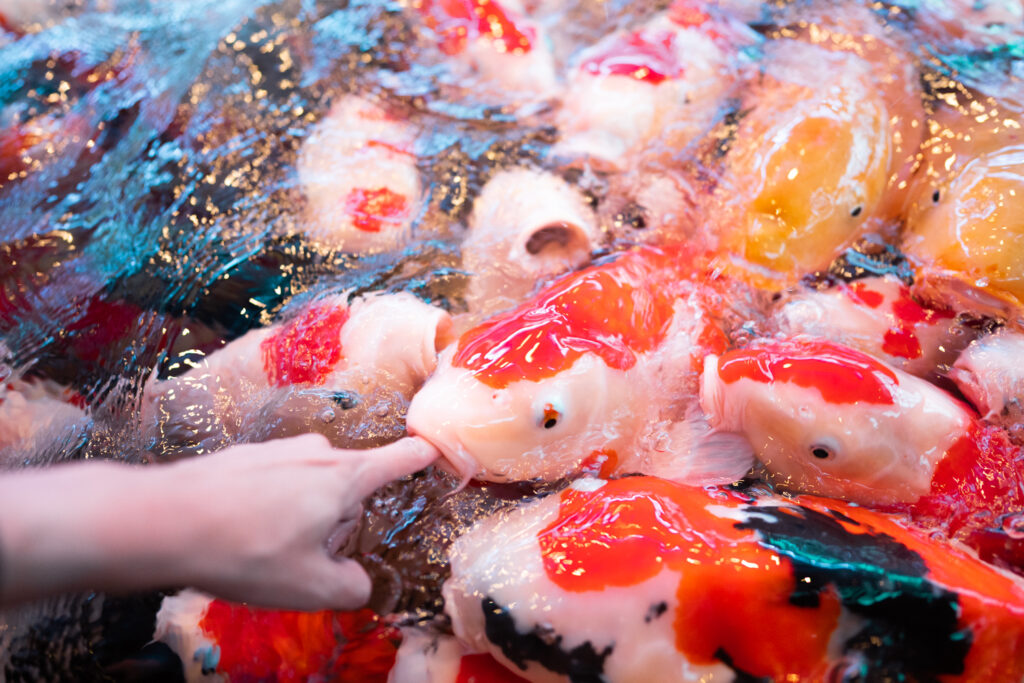
Due to the favorable location of the city, it flourished as an industrial and manufacturing center in the years after the war. Today, the city is home to 15 sake breweries, a multitude of cutting-edge miso and sake factories, incredible nishikigoi koi farms which are responsible for the creation of the Isakoi, Sancho, and other famous varieties, and one of the best fireworks shows in the country.
The terraced koi paddies of Yamakoshi, known as tanada, were originally carved into the hillsides here as a place to raise koi as a source of food during the winter months. Local farmers later began breeding these fish to produce a variety of brilliant colors and patterns, leading to the development of the famous “living jewel” Nishigoi prized by collectors today. While still active farms, these tanada create an incredible vista for tourists to look out over year round, from summer’s staggered mirrored terraces to the undulating landscape of snow-covered winter.
Koi farm tours in this area are available. Please see our webpage on these tours here.
The Nagaoka Fireworks Festival, which occurs on August 2-3 every year, is one of the top summertime fireworks festivals in the country. The first festival occurred in 1879, and boasted 350 fireworks which had been paid for by the local red-light district. The festival was revived in the aftermath of World War II bombings, as a way to pay respects to those killed and to inspire the survivors to band together to rebuild.
Today, over one million people visit just for the festival. Over 20,000 fireworks are set off over the course of two hours, including the 3 meter wide Shô-Sanjakudama firework and a 650 meter long fireworks display, coined Niagara, set up over the Shinano river.
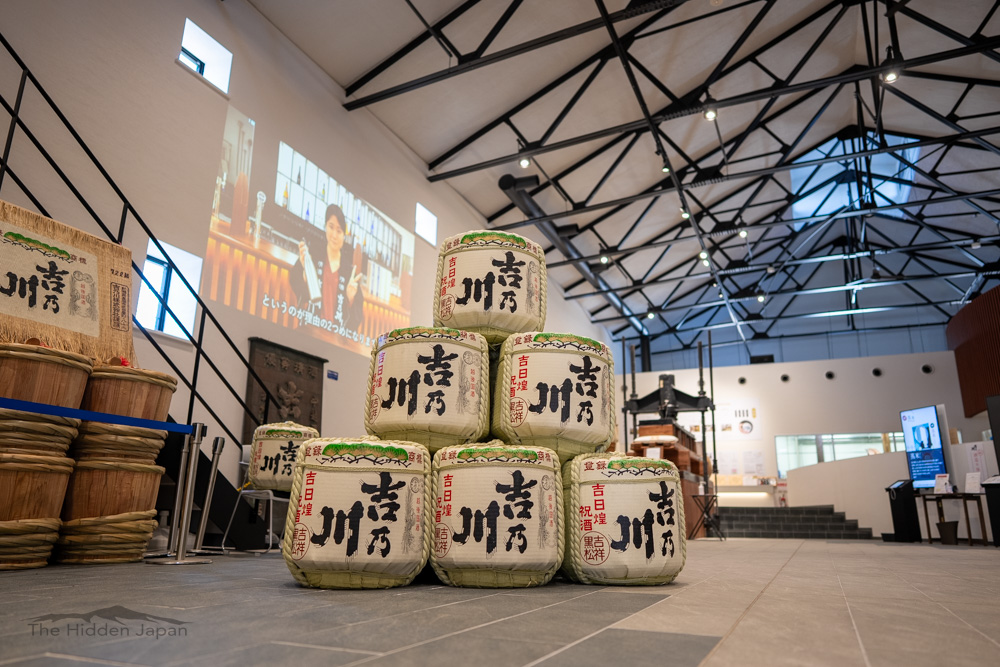
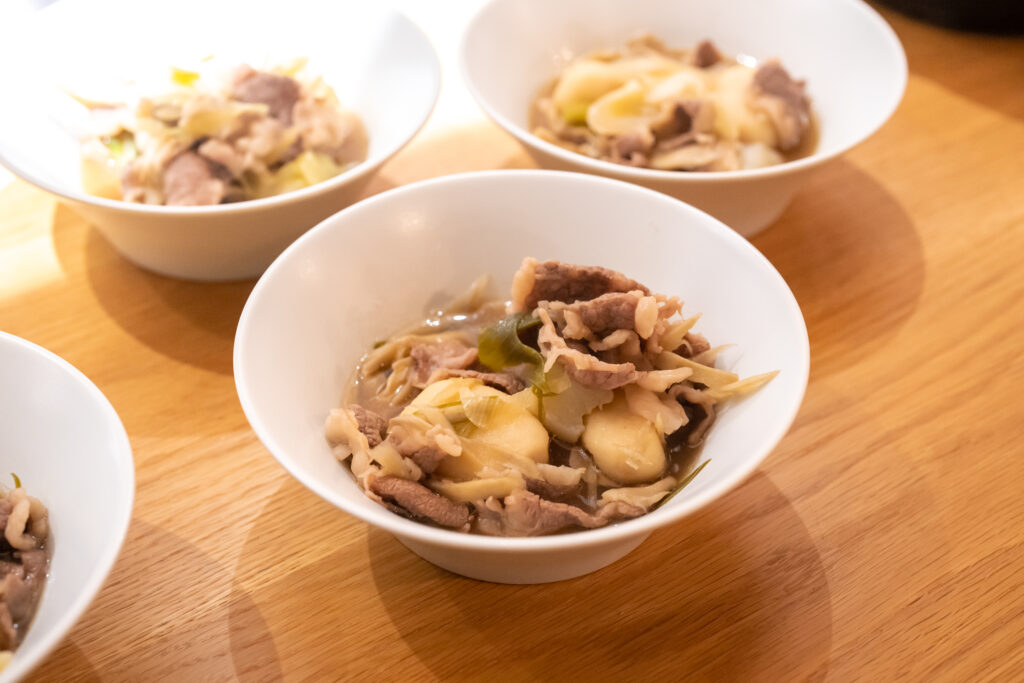
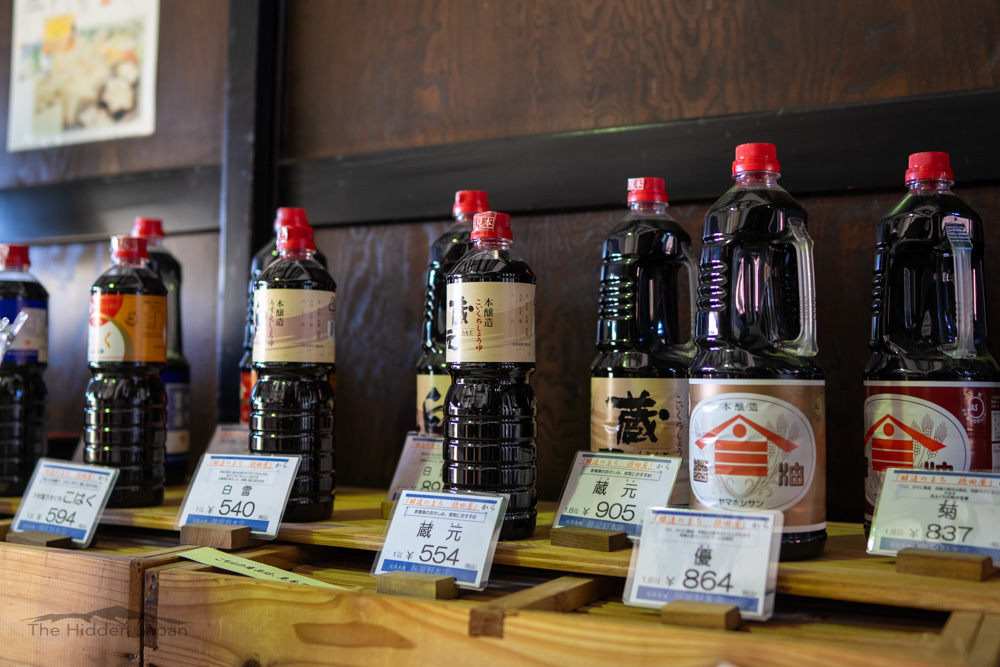
Heavy snowfall and long winters made the long-term preservation of locally produced food a necessity; the dedication and hard work of local brewers and cooks made the resulting foods and drinks incredible. Today, you can tour the premises of some of the many miso, soy sauce, and sake producers in the Settaya district to learn more about the processes behind the production of these staple Japanese food groups. Guided walking tours of the area are also available, though non-Japanese speakers will need to arrange for an interpreter, as are tasting experiences for locally produced sake, soy sauce, and miso.
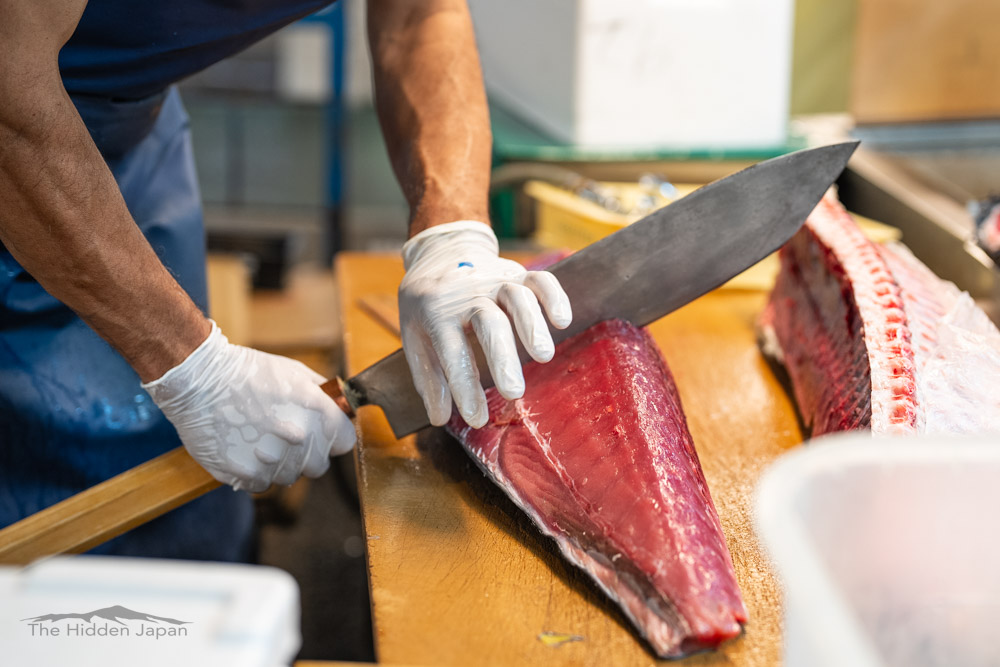
The coastal district of Teradomari is a must-see for seafood lovers. The charming local fish market street here offers an excellent opportunity to try local specialty hamayaki, as well as delicacies such as snow crab at a very reasonable price when it is in season.
Nagaoka is relatively easy to reach from major cities in Japan. From Tokyo, travelers can take the Joetsu Shinkansen to Nagaoka Station in about 90 minutes. Getting around the city, from Teradomari to the terraced koi farms, requires use of a car, especially during the winter months.
Nagaoka is also located less than a forty-minute drive from the industrial hub of Tsubame Sanjo, making it an excellent destination for travelers looking to immerse themselves in Japanese crafts, culture, and cuisine just off the beaten path of the Golden Route. The Hidden Japan offers a 3 day, 2 night tour exploring both cities, which can be inserted into a longer Japan trip. We can also help you book single experiences and tours in the region.

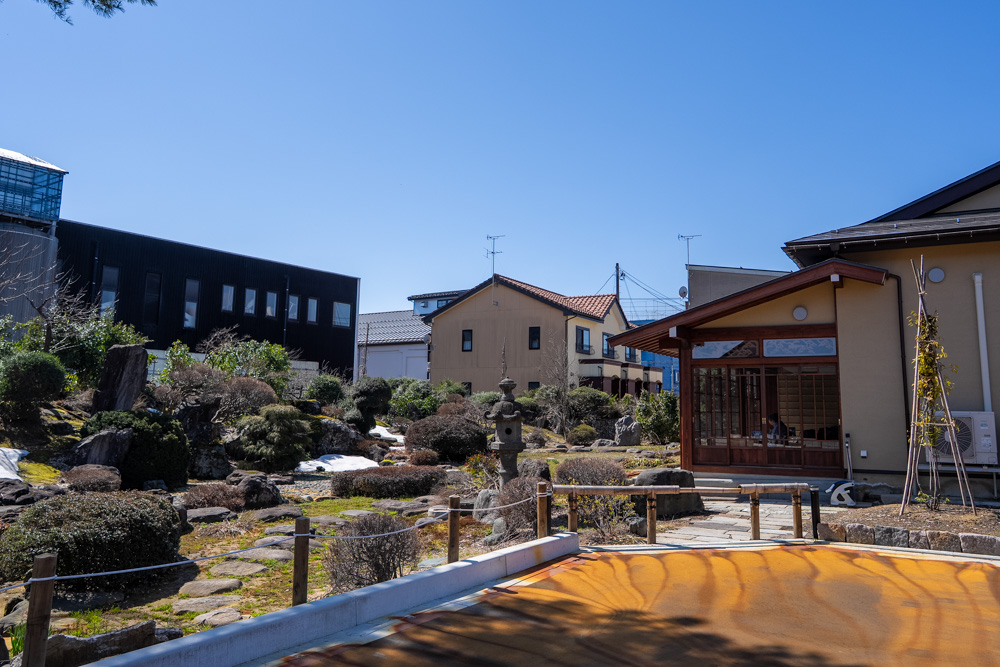
Learn about the Tsubame Sanjo area of Niigata, where approximately 95% of all tableware made in Japan is produced.

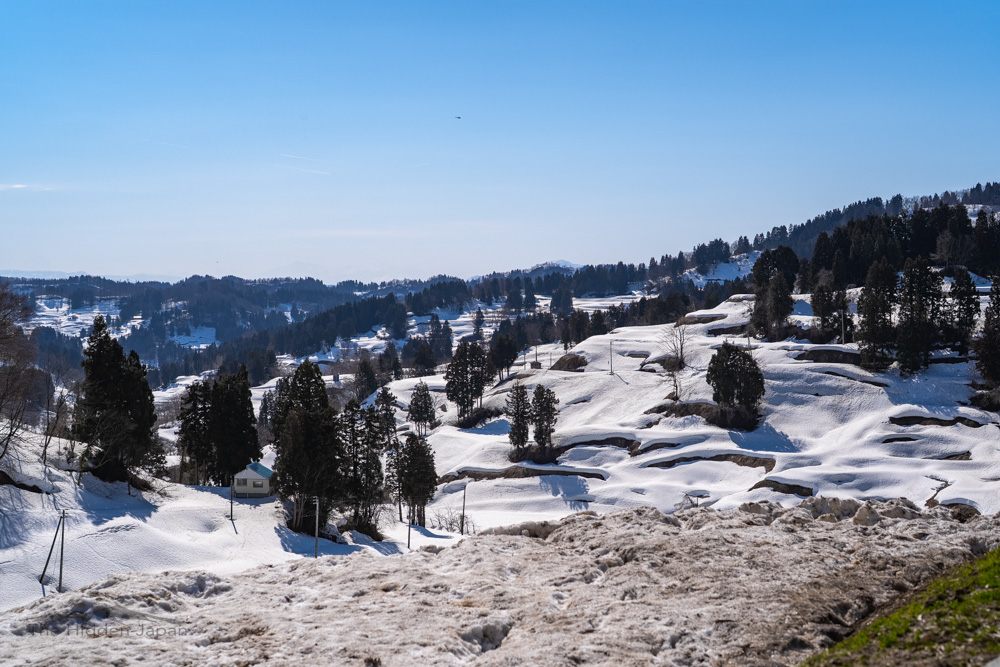
Ojiya City is the birthplace for Japanese koi, and offers unique experiences to visit koi farms like Nishikigoi no Sato.
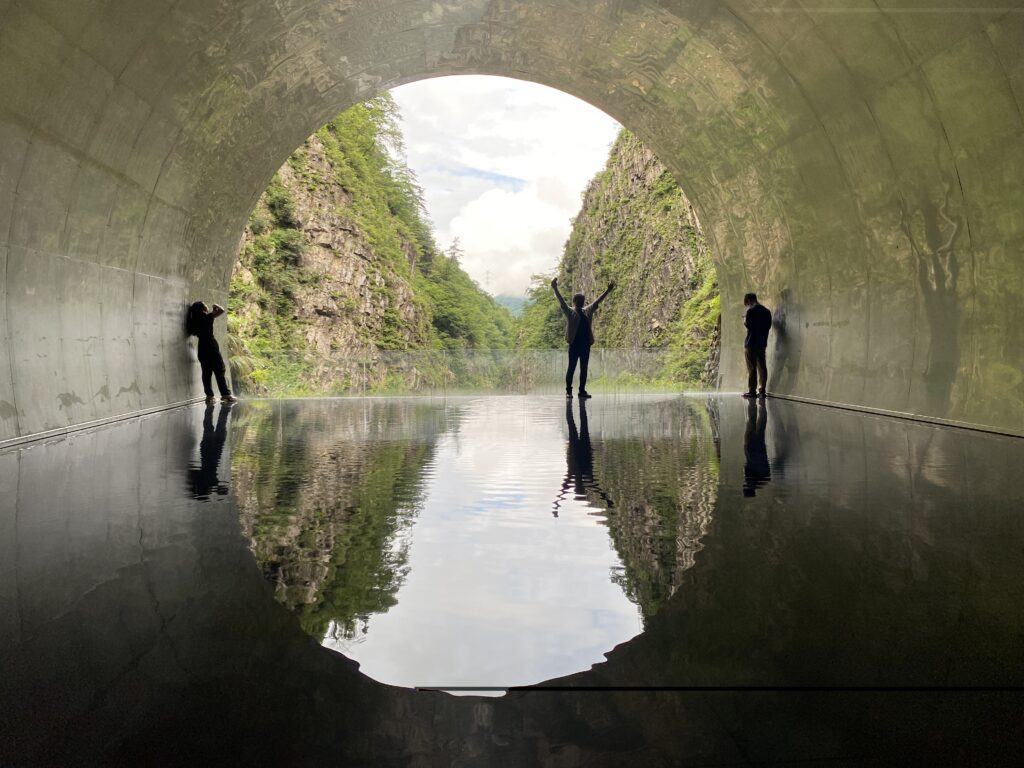
Echigo-Tsumari is home to scenic landscapes, healing hot springs, and one of the most compelling contemporary art destinations in the world.