Tono City

The Birthplace of Japan's Folklore

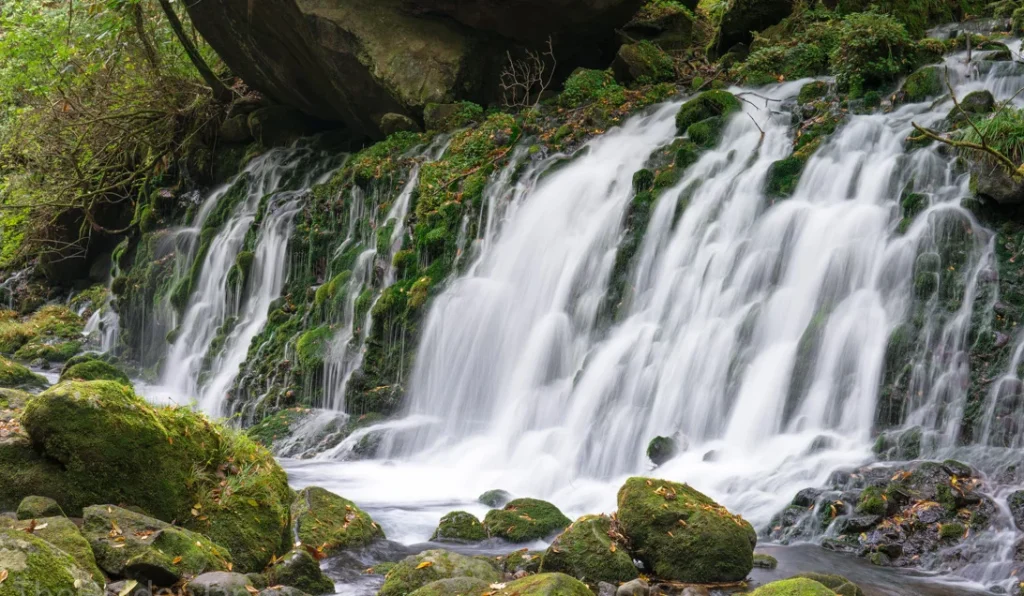
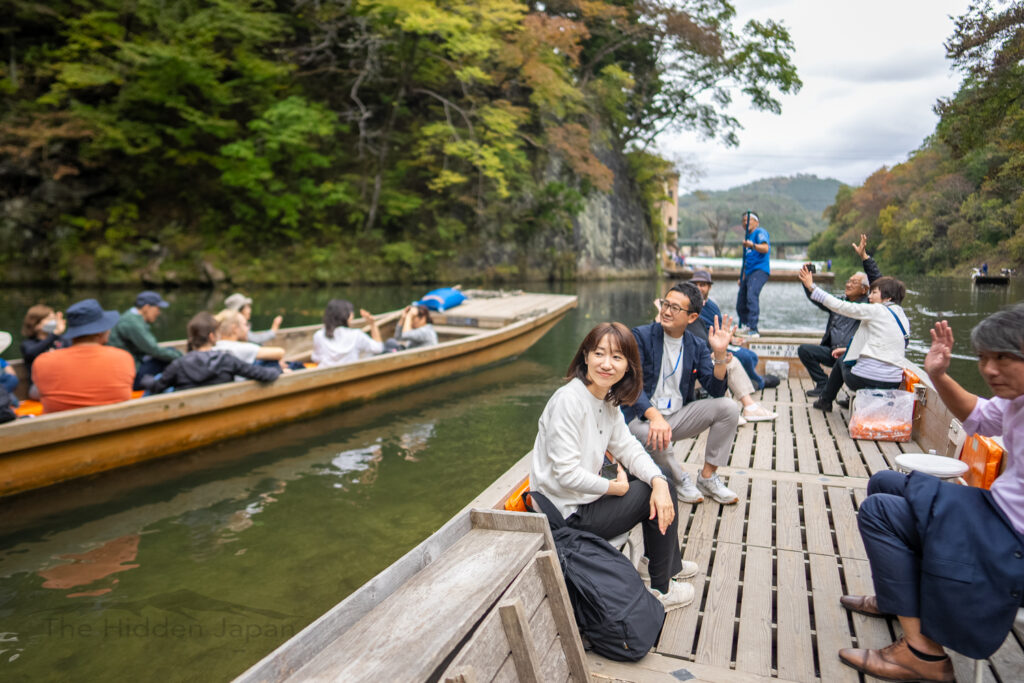
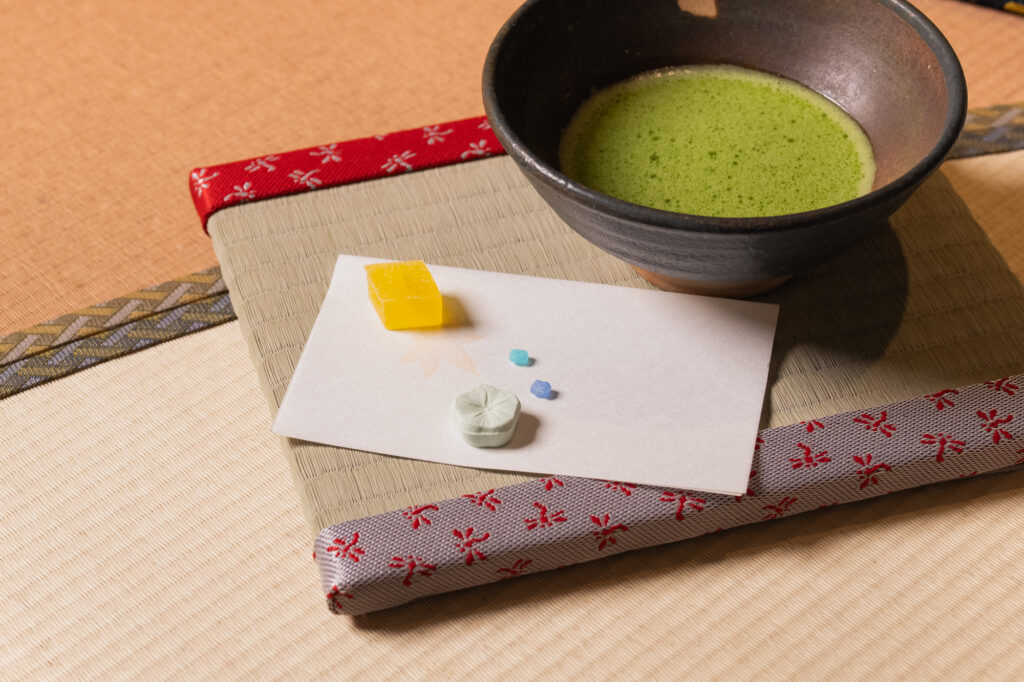
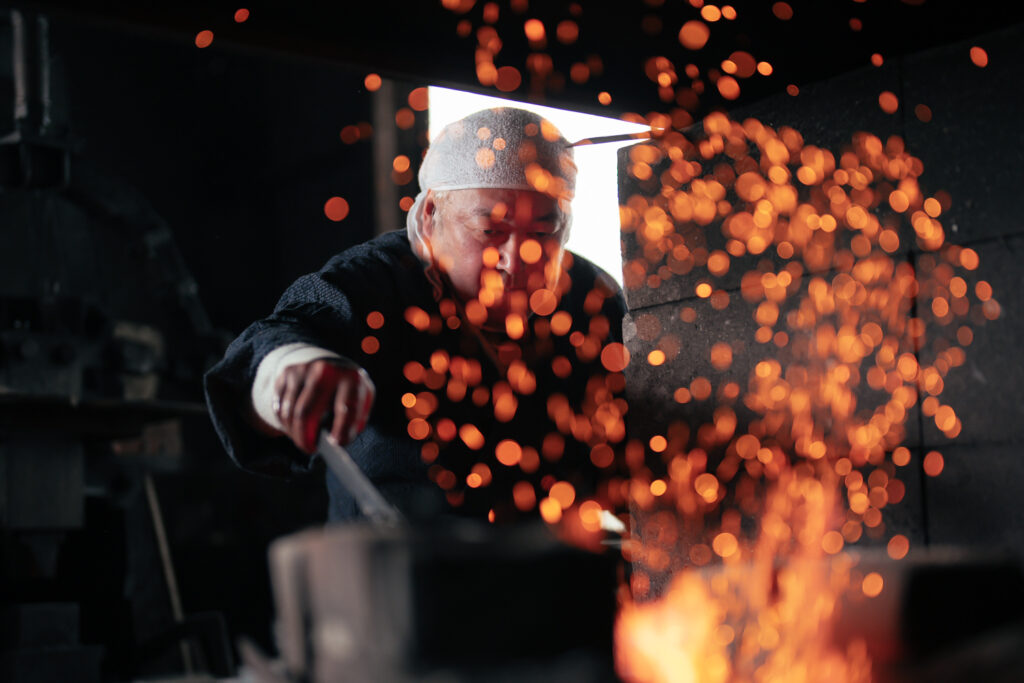
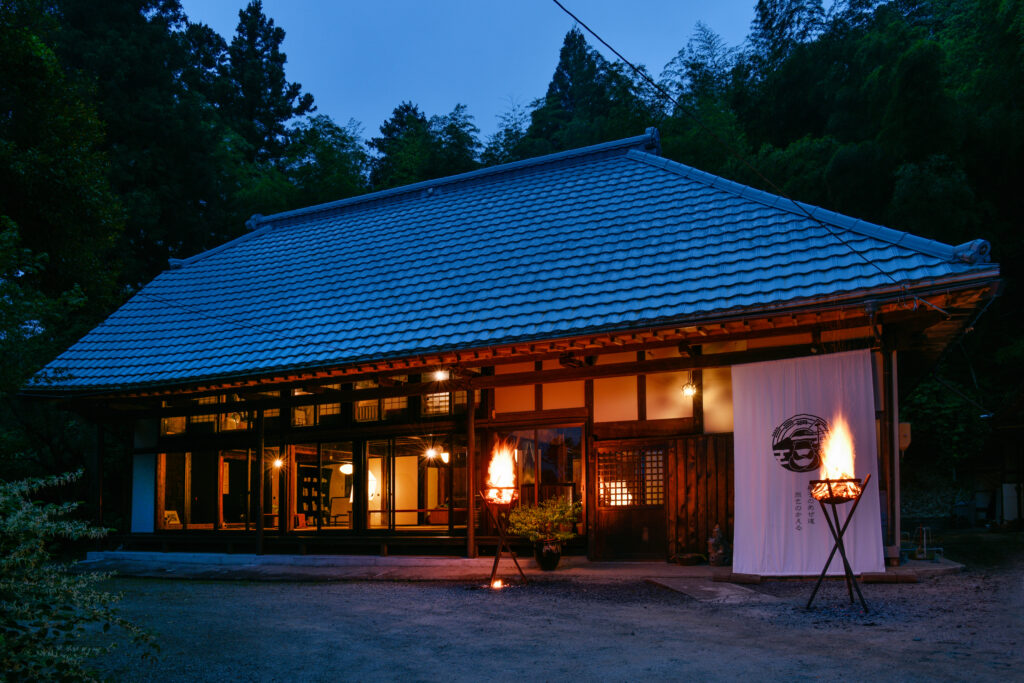
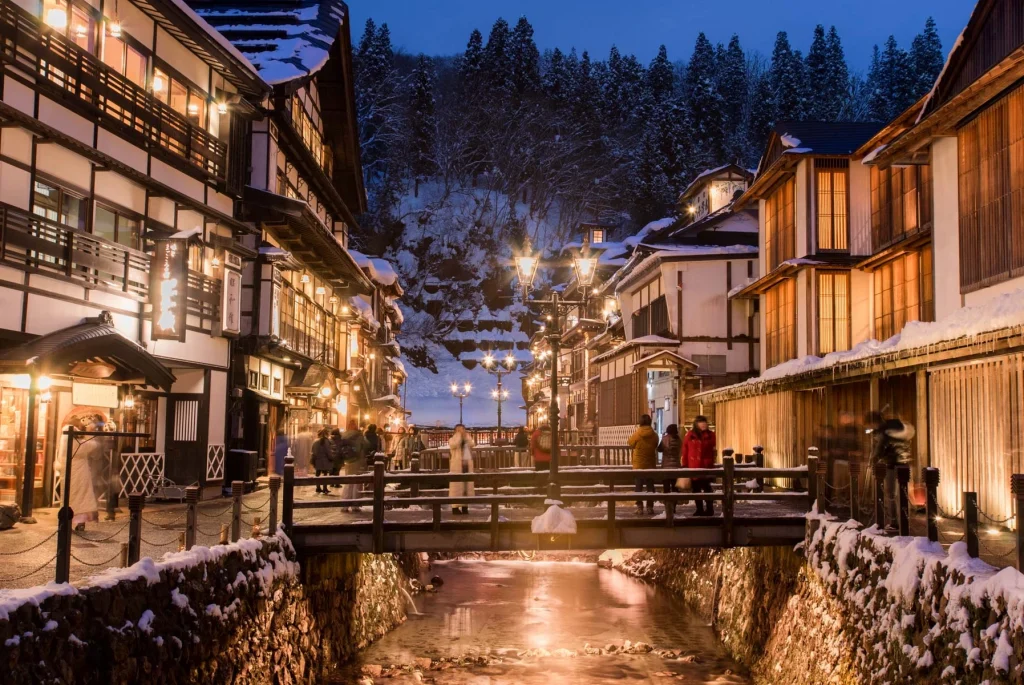
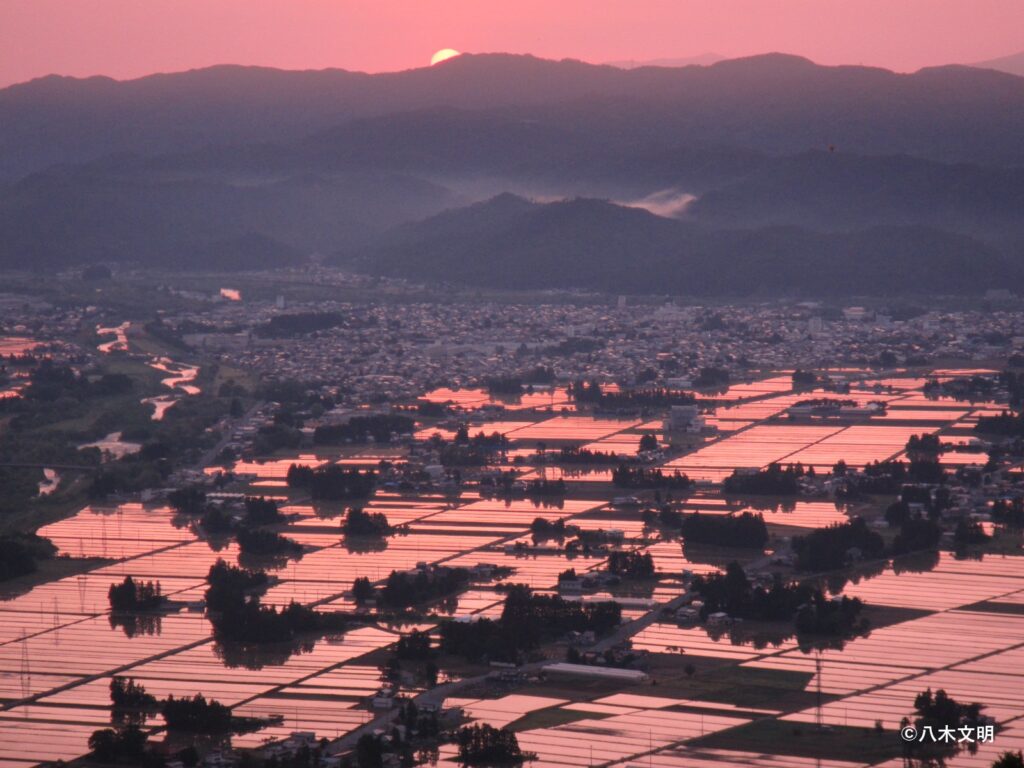
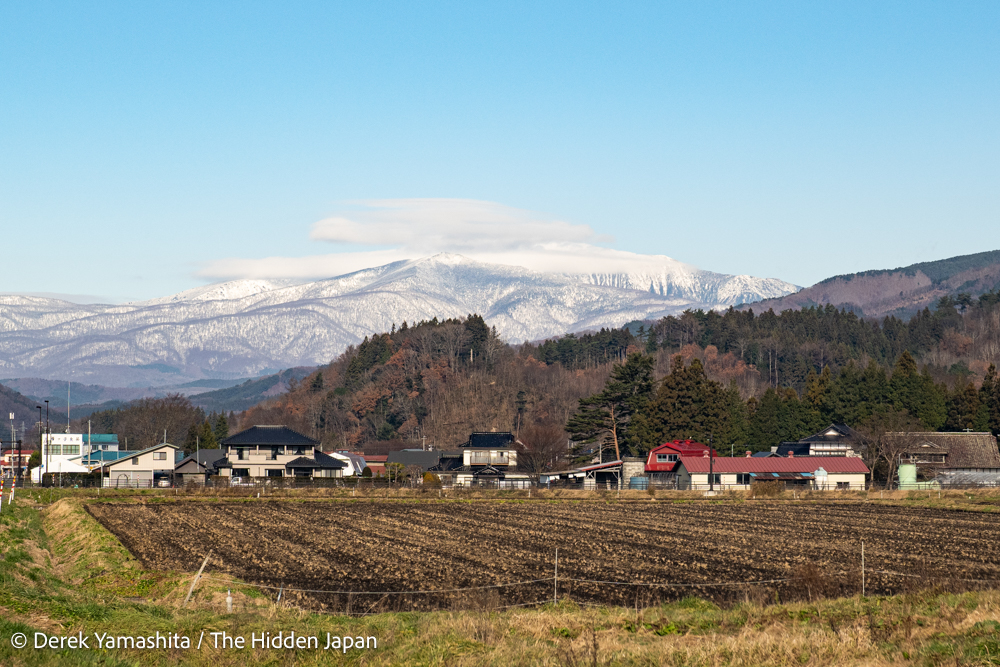
 Nestled in a mountain valley in the central part of Iwate Prefecture lies the quiet hamlet of Tono City.  Renowned as the ‘City of Folklore,’ this peaceful rural enclave is home to some of Japan’s most famous legends, well-preserved traditions and architecture, Buddhist wonders, and delicious cuisine and craft beer.

Tono’s reputation as Japan’s “City of Folklore” is deeply rooted in its role as a living repository of myths, supernatural tales, and rural traditions passed down for centuries.  Its isolated geography, long winters, and largely agriculture community of farmers set the perfect stage for oral legends to flourish. 

This rural town also serves as one of the Tohoku Region’s best secrets offering adventurous travelers the perfect 2-3 day dive into a small countryside community for an experience filled with beautiful nature, local legends, great food, and even some of Japan’s best craft beer. 

Derek Yamashita, Co-Founder of The Hidden Japan has visited this town multiple times over the years as a photographer to capture some of these stories and the local charm of this community.  While we do not have tour packages for this region yet, Derek would love to help plan a custom 2-3 trip for those interested in such an excursion.  

Local Legends Passed Down for Generations

The folklore heritage of Tono is famously preserved in Tōno Monogatari (“The Legends of Tono”), compiled in 1910 by folklorist Kunio Yanagita with the help of local storyteller Kizen Sasaki.   The most famous local yokai from the stories they collected is the kappa. Kappa are frog-like malevolent spirits which drown unsuspecting children. Legend has it that the kappa can be defeated through the use of cucumbers and good manners, so you may happen upon some enterprising hunters fishing for kappa with cucumbers if you take a stroll to Kappabuchi pond. 

Tono is deep in the northern Japanese region of Tohoku, what was once considered the rugged Northern frontier far from the cities and center of power in central and Southern Japan.  Notably, communities like Tono were largely small towns based on agriculture which meant long winters with families huddled together inside.  These long periods together led to a unique tradition of storytelling in Tono and gave birth to a variety of stories and legends like the kappa.  Often these stories taught children lessons as such with the Kappa monsters to encourage children to remain alert and wary of dangerous situations like playing nearby rivers.

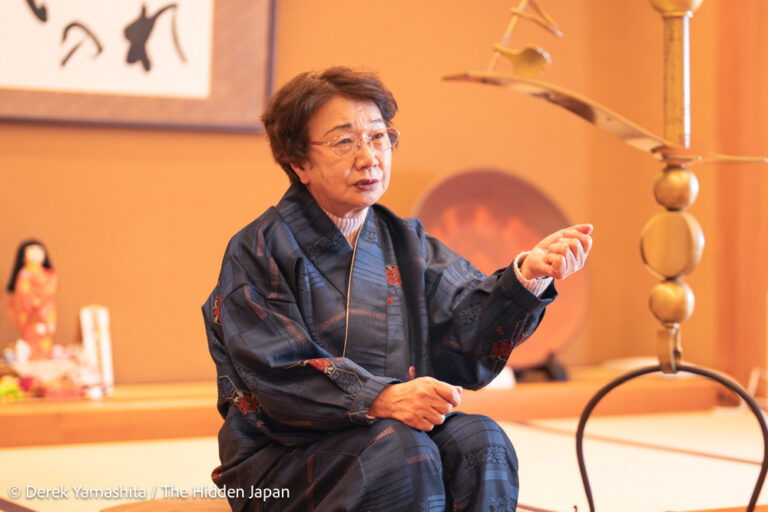
Many of these oral legends were traditionally told through word of mouth at fire-side dinners, drinks with friends, and especially by parents and grandparents to children in homes that often housed multiple generations of the same family.  

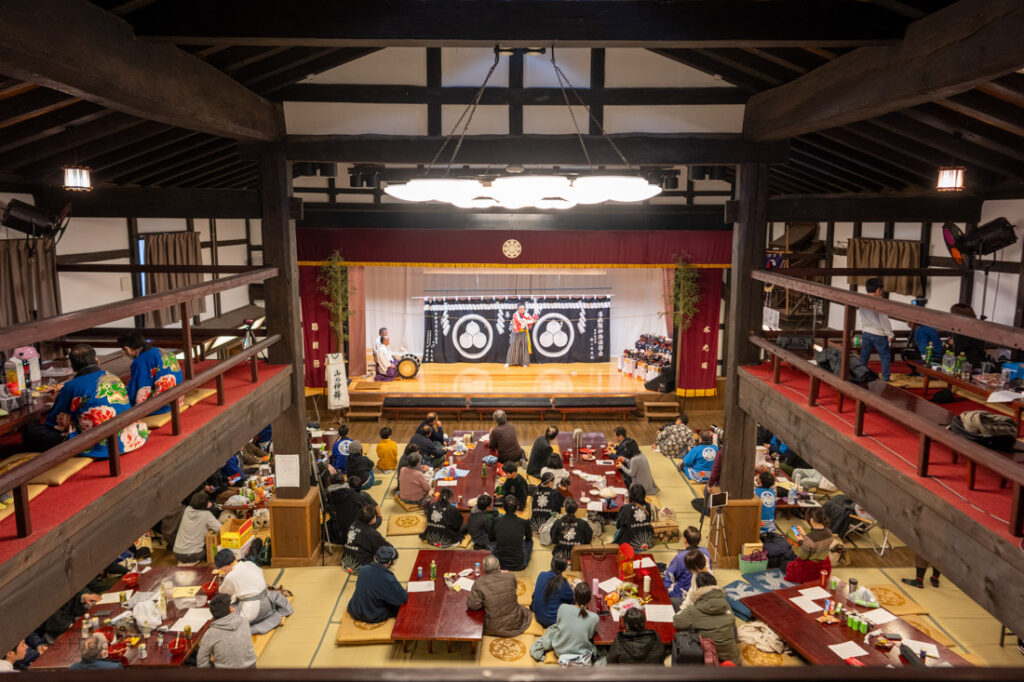
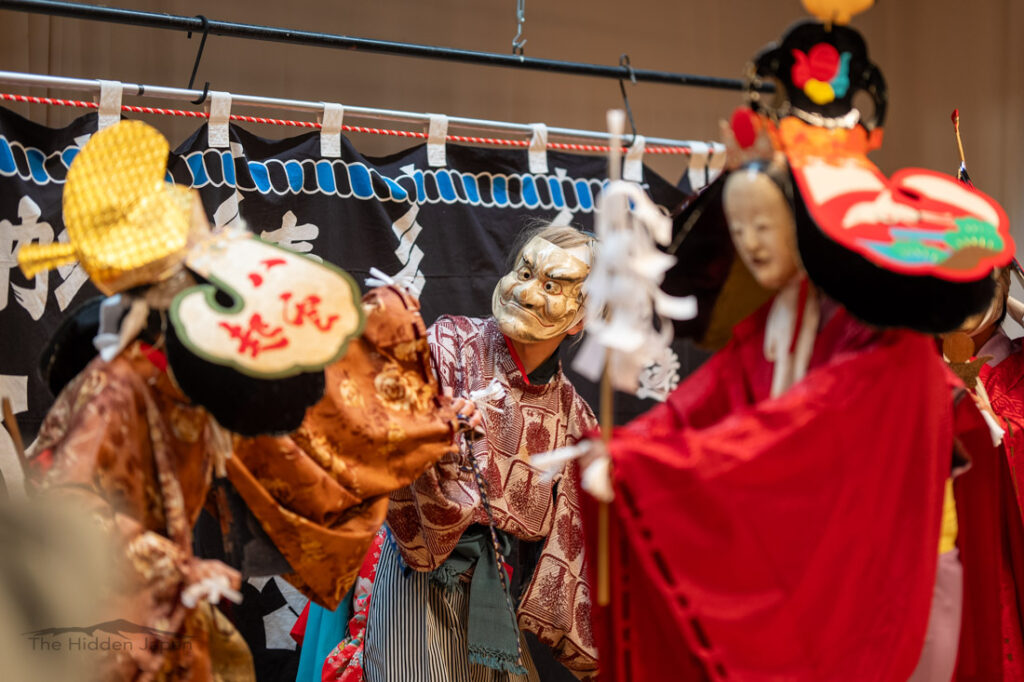
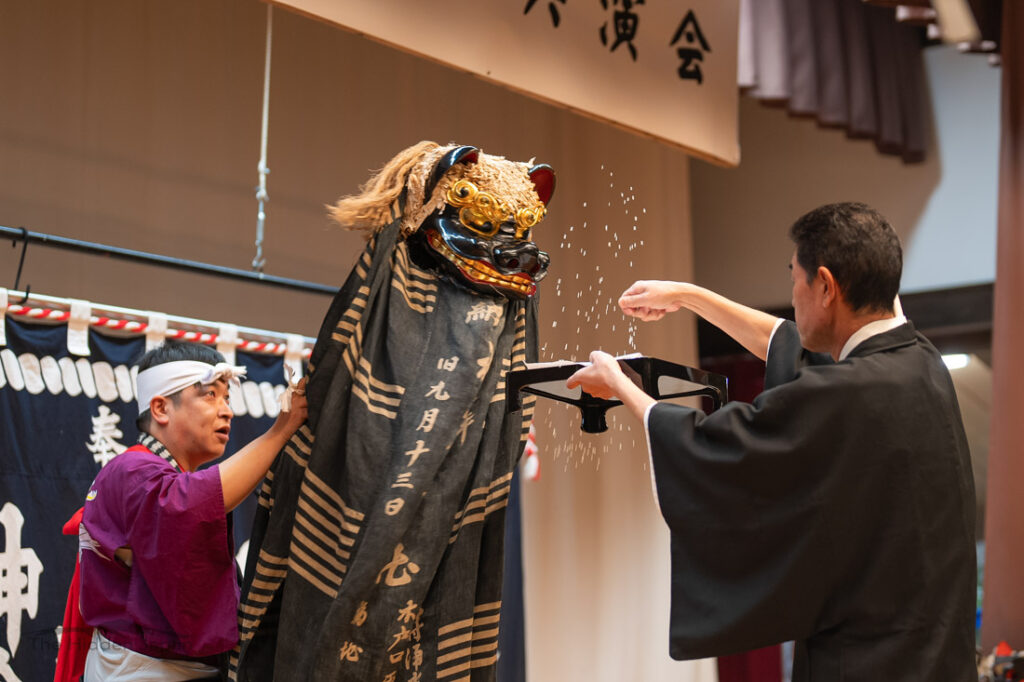
This traditional form of story telling can still be experienced at various festivals and even as an experience for travelers in the town. There is even a folklore museum in the town perfect for learning about some of Tono’s most famous stories and seeing visualizations of these legends that have made their way into mainstream media like anime. 

Steeped in Ancient History

Tono is home to a wealth of archaeological sites from the Jomon period onwards. Farmers routinely discover pottery shards and arrowheads from earlier Emishi and later samurai inhabitants. Today, the city is home to three well-preserved folk villages from the Edo period. The largest of these, the Tono Furusato Village, contains a number of traditional Namba Magariya, L-shaped thatched homes. The folk villages here offer a number of hands-on experiences, from farming and fishing to weaving and storytelling. You can also see the remains of Nabekura castle in downtown Tonno,  built to protect against the Date clan of Sendai.

Buddhist Connections

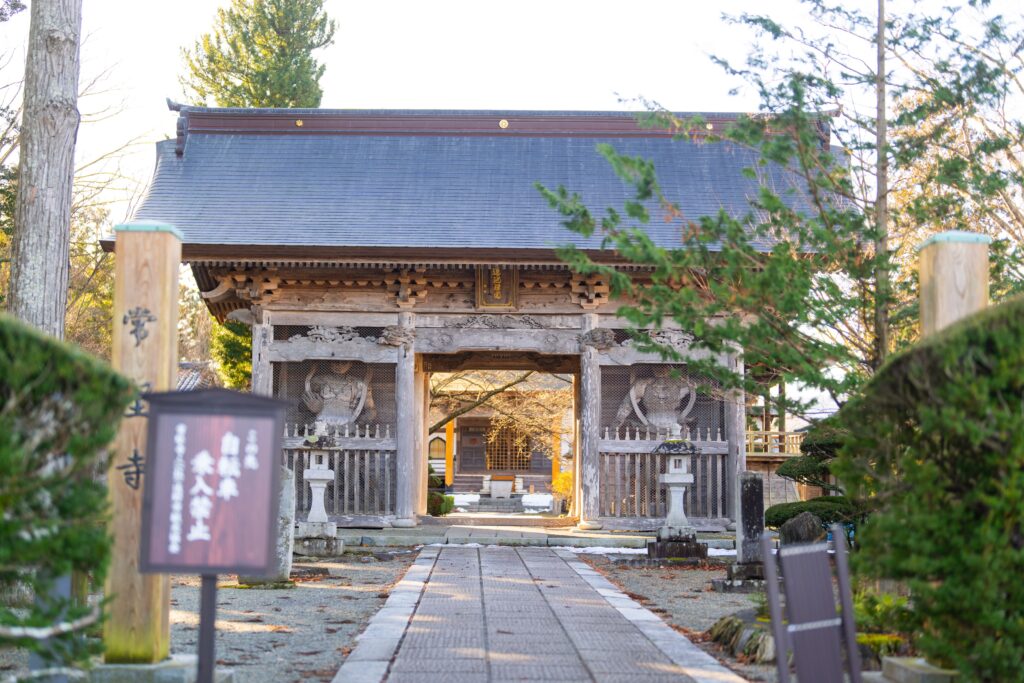
Despite its distance from the seat of Buddhism in Japan, Tono is home to two of the most incredible Buddhist artworks in the country. At seventeen meters high, Fukusenji temples’ wooden Kannon statue is the largest in the country. A short hike in the southern mountains leads to another stunning sight: 380 granite carved kakan, or buddhist disciplines, lining the edges of a creek bed. These are said to be the remains of 500 such carvings made by a local monk to pay respects for the victims of a famine.

Food and Beer

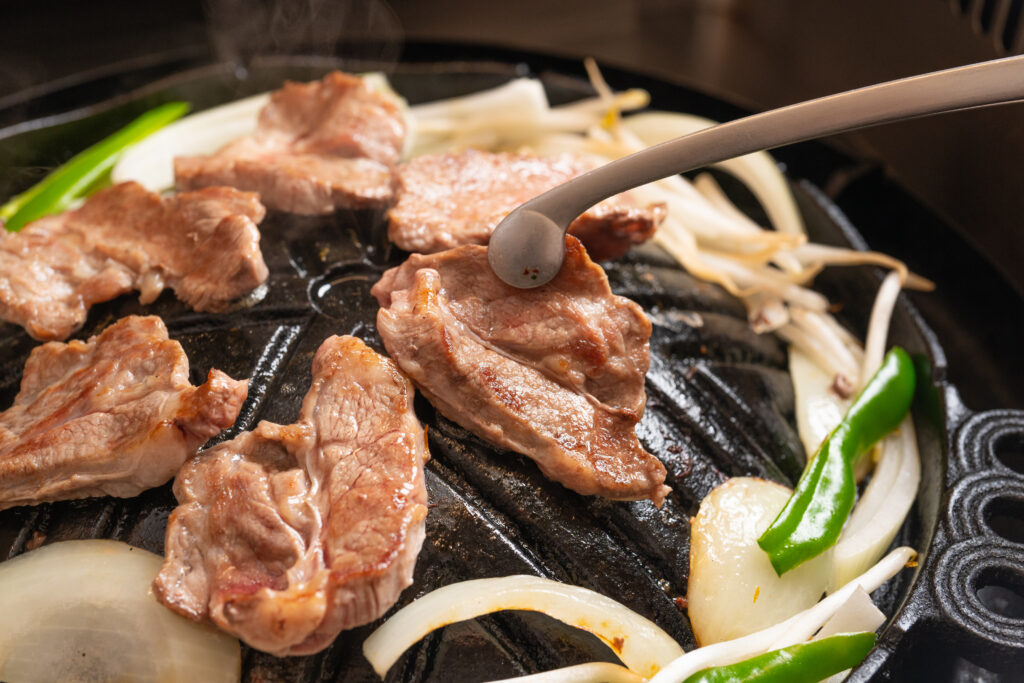
A visitor to Tono is guaranteed to eat well. Tono is known for its Genghis Khan, a lamb barbeque dish cooked on a helmet shaped pan right at the table, and for wheat dumplings called hitsumi. The town also produces some of the best wasabi in Japan, a fact that a local brewery has fully embraced. Why not give the local wasabi beer a try?

Farming Experiences

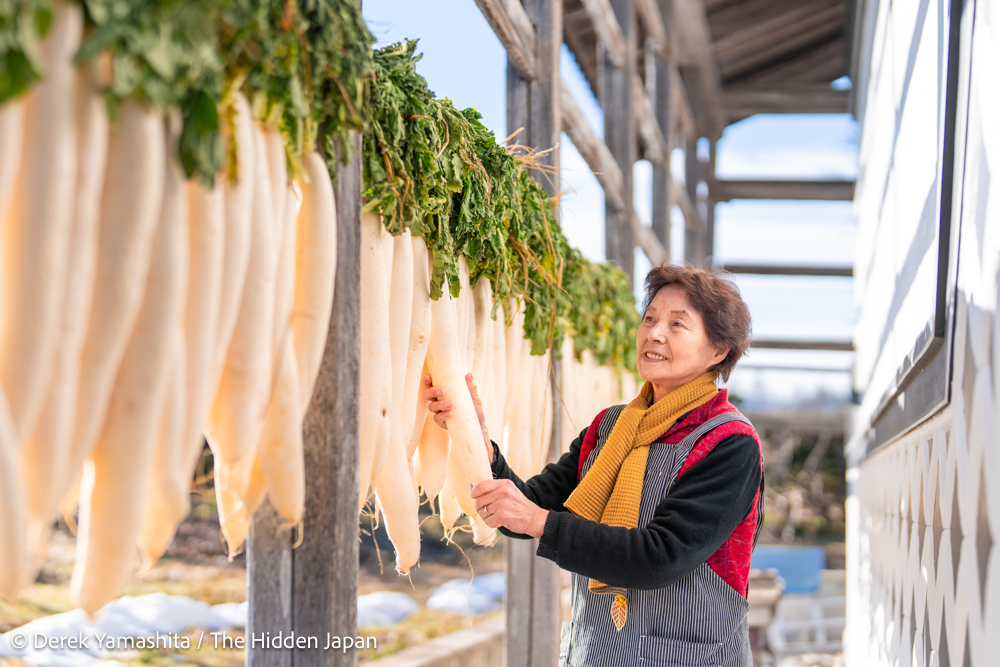
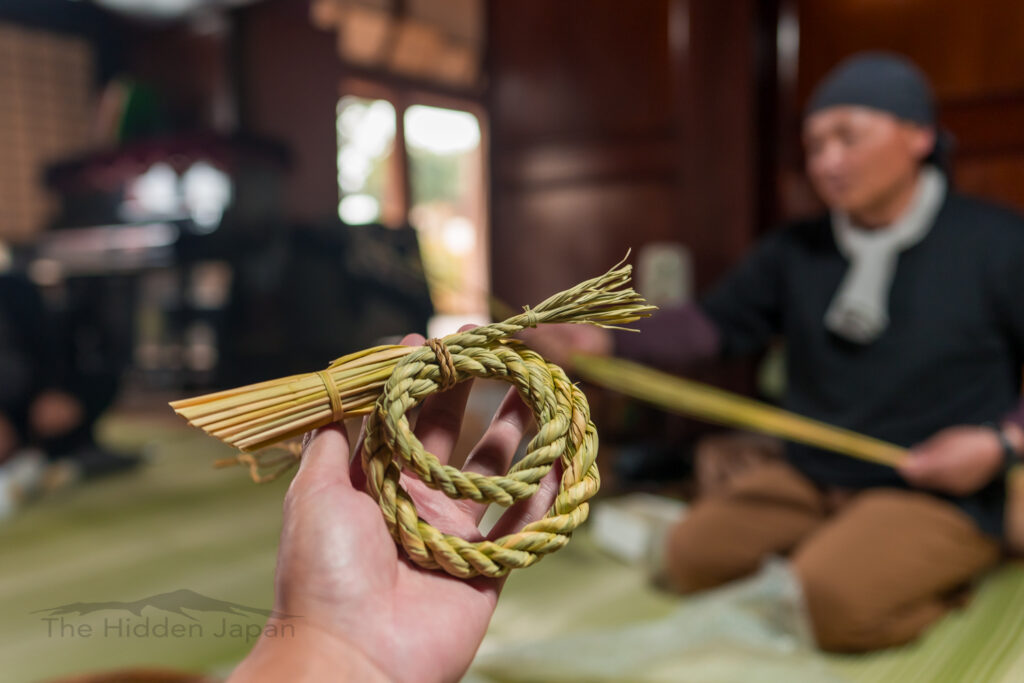
Tono also offers guests the chance to visit and meet local members of the community on their farms to not only learn about the local agriculture, but also form human connections with the lovely people here who love to meet and talk with visitors from around Japan and abroad.   These experiences vary widely throughout the seasons.  You can contact us in our form about what is available if you tell us when you are visiting.

Access to Tono City

Tono is located approximately 4 hours via bullet train and local train from Tokyo. It is a good idea to have a rental car or a bus pass if you want to visit the further-flung sightseeing spots. 

It can best be paired with a visit to 
Sendai City which can serve as your main base of travel for the Tohoku Region. 
You can then make a short 1-3 night stay to Tono from Sendai to make the journey easier. 

The Hidden Japan has traveled to Tono many times to help to capture the aura of mystery and charm of the local people here for photoshoots together with the Tono Travel Association.  While we do not have any tours or programs for Tono yet, we would be more than happy to help arrange a visit to this region.   

Please use our contact form to reach out about planning a trip to Tono. 

Other Regions

Wakayanagi Jiori Textile Factory Tour

In the Meiji (1868–1912) and Taisho (1912–1926) periods, the Wakayanagi area of Kurihara flourished thanks to the production of Wakayanagi jiori, a traditional cotton textile. Learn about the Wakayanagi jiori production process and the special characteristics of the Y-type loom, about dedication to craftsmanship and techniques passed down through generations, from third-generation owner Kojun Chiba.

Read More »

Overnight Stay at KIBOTCHA

KIBOTCHA, a hands-on disaster preparedness and accommodation facility, opened in 2018 in a former elementary school damaged by the Great East Japan Earthquake. The school, once slated for closure, has been thoughtfully renovated and reborn with a focus on learning through experiencing. Guided by the concept of “learning through play,” KIBOTCHA offers immersive, stay-based programs that combine lodging, hands-on activities, and training experiences.

Read More »

Discovering Sendai: Anime Special Interest Tour

Boasting deep history and tradition and surrounded by nature, Sendai is a dynamic and fascinating city. On this 3 day, 3 night tour, hit top sightseeing spots and sites of special interest to anime/manga fans. Try hands-on cultural and creative experiences, and enjoy the atmosphere of this vibrant northeastern city.

Read More »

Mimamori Hachimaru Ranch Experience

Experience the Symbiosis of Horses, the Forest, and the Land! After learning some basics about horses, experience not only the strength of invisible bonds, but the harmony interwoven between humans and horses, a beautiful collaboration which transcends species through a teamwork activity using a machine through which humans and horses work together. Finally, learn about using sustainable agriculture to grow vegetables and rehabilitate the soil.

Read More »

Nagai City

Nagai City, famous for its water, nature and flowers, draws you in with the sights, cuisine and experiences it has to offer.​

Read More »

The Arcadian Journey

Embark on a journey to experience the unspoiled wilderness of the Okitama region in rural Yamagata, Japan. Visit the places written about generations past, enjoying the sights, locals, cuisine and culture of the land.

Read More »