Nagaoka City
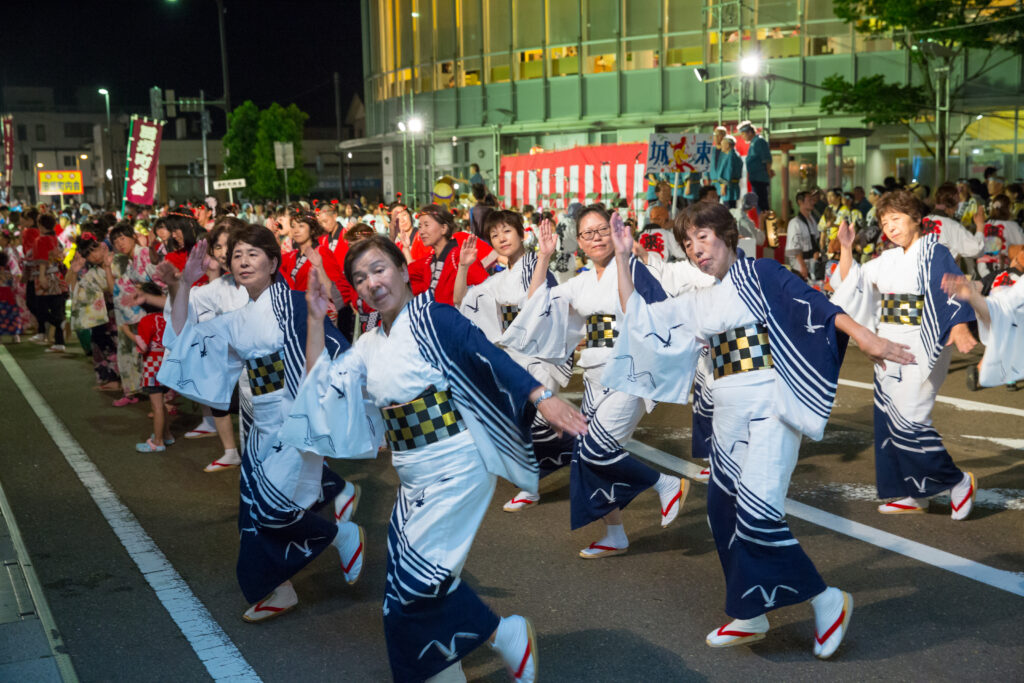
Learn about Nagaoka, the second largest city in Niigata, home to fermented foods, sake, koi fish, and one of the best fireworks festivals in all Japan.
Konan City is located in the southern part of Shiga Prefecture. Though a small town, Konan’s rich heritage and scenic landscapes offer a tranquil escape from the main tourist routes.
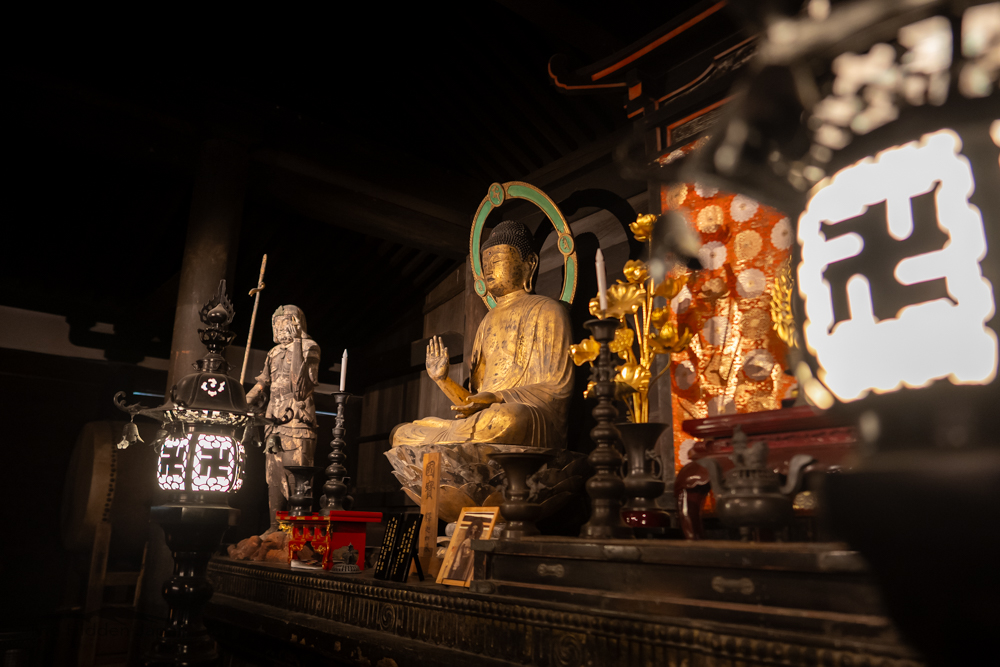
Konan City is the home of three Tendai Buddhist sect temples whose main halls have been designated National Treasures. The city was also the site of many key events in Oda Nobunaga’s campaigns in the area during the Warring States period five hundred years ago.
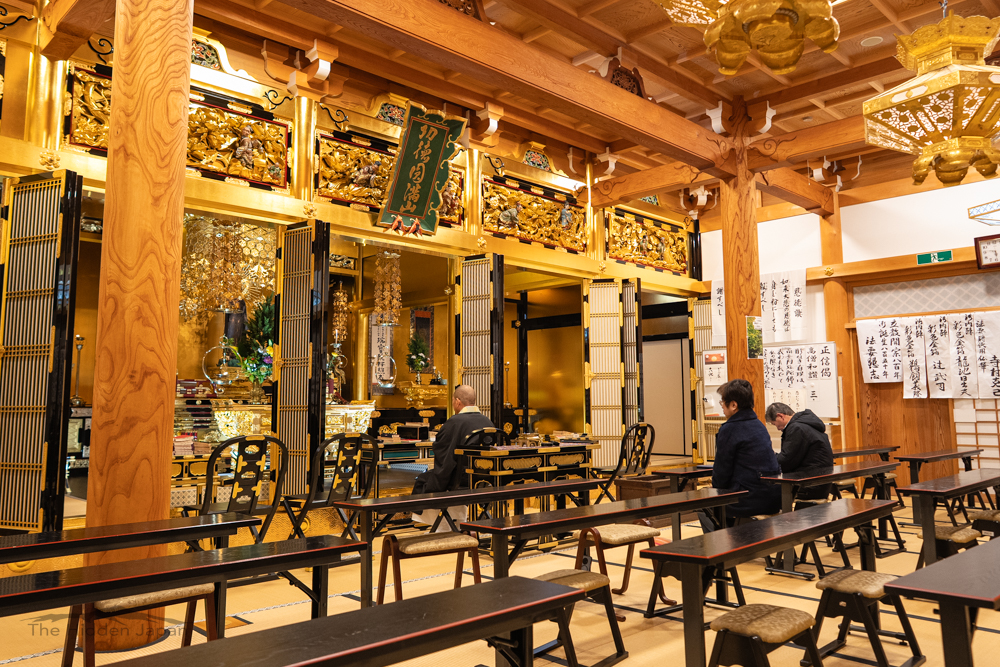
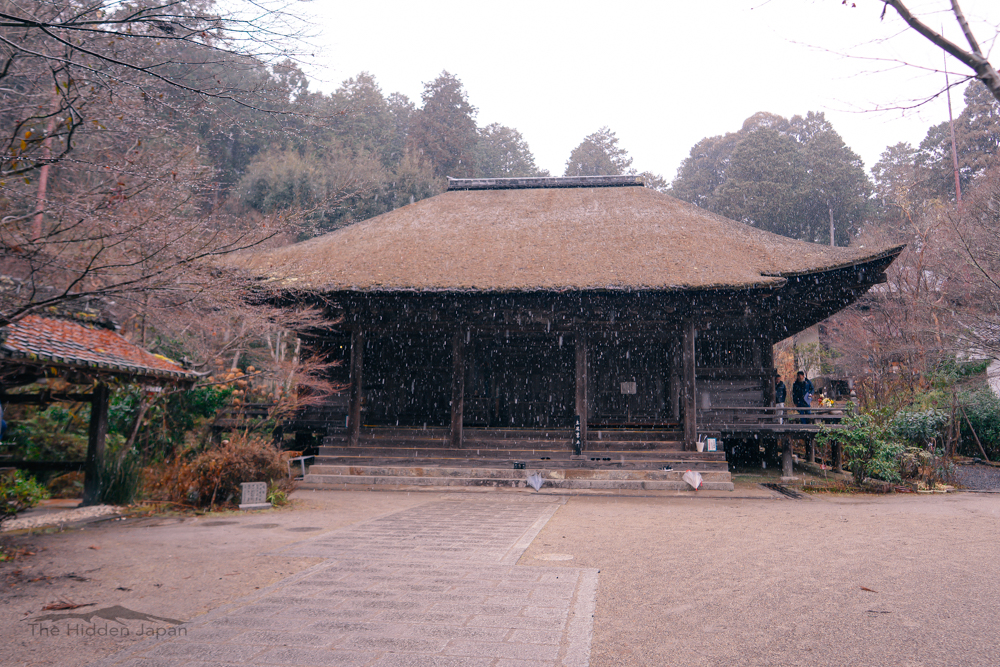
One of Konan’s most remarkable features is the “Konan Sanzan” , a trio of ancient Tendai Buddhist temples. These temples—Chōjū-ji, Jōraku-ji, and Zensui-ji—are renowned for their architectural beauty and spiritual significance. All three are said to have been founded in the eight or ninth centuries, though the current temples were all rebuilt in the fourteenth century due to a series of fires and disasters. The main halls (hondō) of these temples are designated National Treasures, showcasing the exquisite craftsmanship of feudal Japan.
During the Warring States period, warlord Oda Nobunaga put Konan on the national map when he established Ishibe-juku, the 51st post station on the Tōkaidō Road. This post station later became a vital stop for travelers during the Edo period, connecting Kyoto to the eastern provinces. Today, visitors can explore an open-air architectural museum that replicates the traditional buildings of this historic post town.
The temples of Konan also played a large role in Warring States history. Joraku-ji temple served as the battlefield base of Oda Nobunaga’s retainer Sakuma Nobunari from 1568-1570. Oda himself relocated the three story pagoda of Choju-ji to its present location.
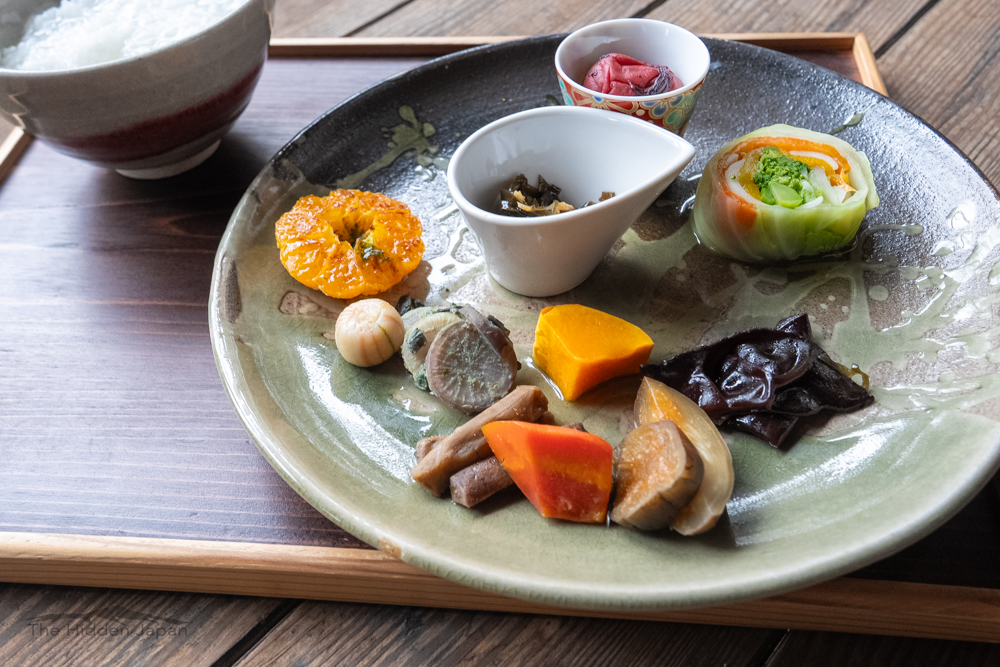
Given the city’s connection to Buddhism, a strong tradition of shojin ryori was inevitable. Shojin ryori uses a variety of local ingredients to prepare a meal which both satisfies and purifies the body. Today, you can experience a truly delectable kaiseki shojin ryori meal during a local temple stay.
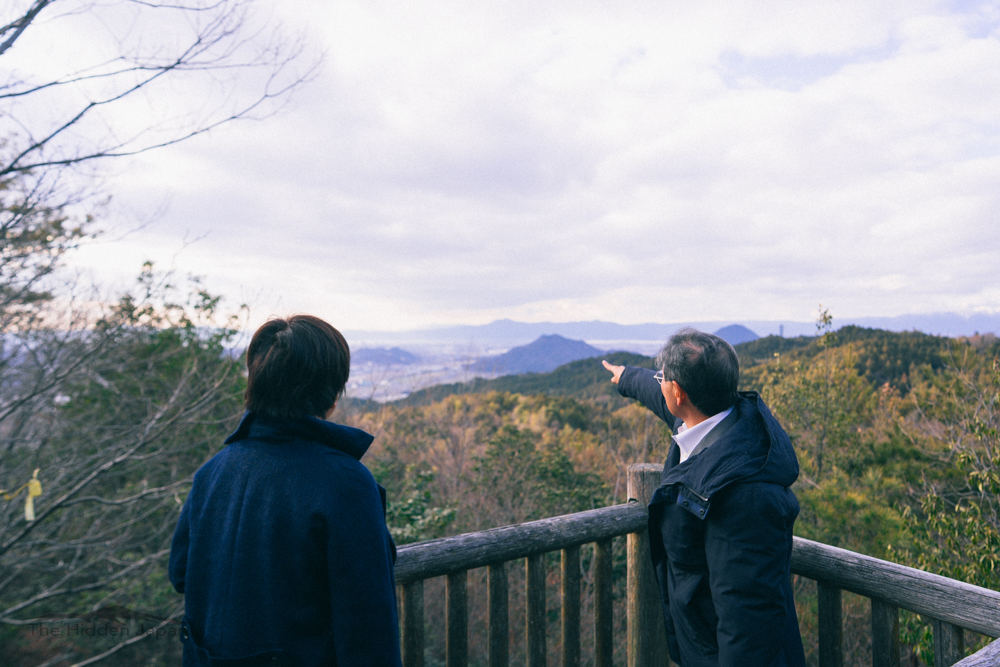
Settled in a river valley between the Iwane and Ansei mountain ranges, Konan offers ample opportunities for outdoor activities such as hiking, cycling, and fishing. A particularly interesting hike leads from downtown Konan to the ruins of Mikumo castle, which was used as a base by the local Rokkaku forces when Nobunaga attacked the Rokkaku in 1568. This ruin offers incredible views of the surrounding countryside.
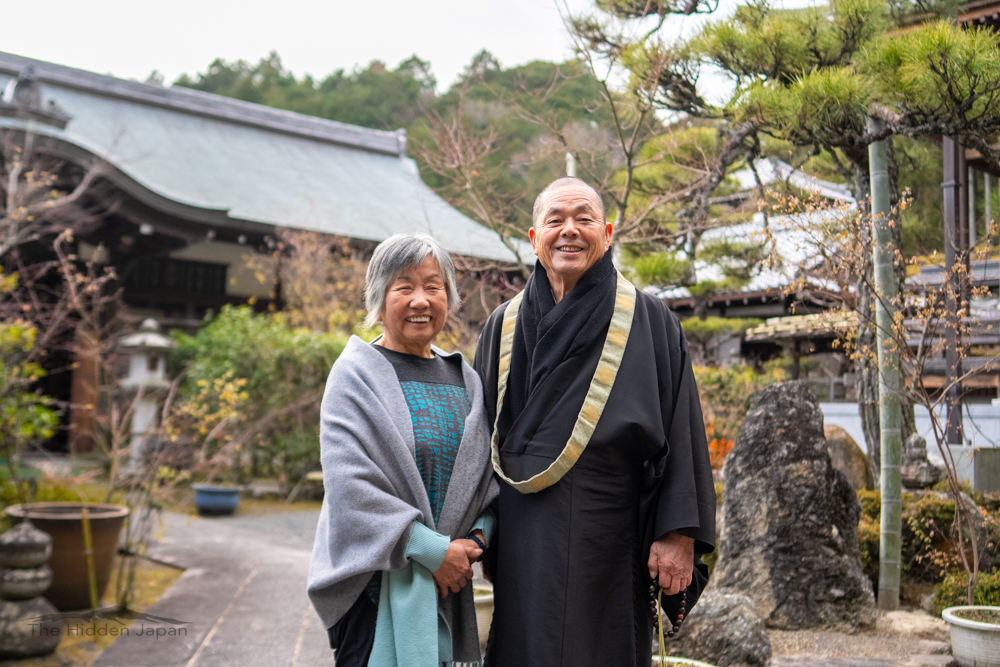
For those interested in experiencing Konan’s Buddhist history more deeply, temple homestays are available. If you are interested, please reach out via our contact form!
Whether exploring ancient temples, tracing the bloody history of the sengoku samurai, or enjoying outdoor activities, visitors to Konan City can immerse themselves in the rich tapestry of Konan’s heritage. All it takes is a quick 30 minute train ride from Kyoto to experience world heritage sites without the crowds of the well-trod Golden Route. Konan is easily accessible via the JR Kusatsu Line, with stations such as Ishibe and Kōsei connecting the city to major urban centers.
While there are no commercial links for tours or experiences with instant bookings, visitors who take the time to plan a trip here will be rewarded with an experience away from the crowds.

Learn about Nagaoka, the second largest city in Niigata, home to fermented foods, sake, koi fish, and one of the best fireworks festivals in all Japan.

Explore Niigata, Fukushima, and Yamagata on this 4-day, 3-night private adventure tour. Explore Niigata city’s history and sake, hike through the stunning natural onsen landscapes of Fukushima, and embrace your inner samurai in Yamagata: this tour is for adventurous spirits looking for authentic experiences off the beaten path.

A 5 day, 4 night private tour to experience the best of cuisine and craftsmanship in the Uetsu area of Japan. Observe and experience techniques for making outstanding kitchenware of the master craftsmen of Tsubame-Sanjo and enjoy cooking and dining experiences with chefs of Tsuruoka City, a UNESCO Creative City of Gastronomy.

Sendai is the capital of Miyagi Prefecture. As the largest city in Tohoku, it also serves as the gateway to this off-the-beaten-path region.

There simply isn’t a view quite like this anywhere else in the country. Matsushima is more than simply a beautiful bay filled with stunning rock formations. The mainland town is also home to centuries of Buddhist culture, samurai history, and incredible seafood, making it a day trip from Sendai you won’t want to miss.

Snow Monsters are synonomous with winter on Mount Zao—read on to find out how to access them, the best times to visit, and more!

Enjoy a private performance of the Yatsu Shika Odori deer dance, a folk performing art from the Kurihara Ichihasama area with a 400-year history, which has been registered as an Intangible Cultural Heritage of Miyagi Prefecture.

This is an experience of making a fan using Shiroishi washi paper, a traditional product of Shiroishi City that is registered as a “Traditional Craft of Miyagi Prefecture.” Each piece of washi paper is hand-dyed, making it strong and durable, and each one is unique, with a different look.

Observe the sophisticated techniques of Yagyu Shingan-ryu sword style in action on the Mori Butai Stage at the Tome City Dento Geino Densho-kan, then try out some of the techniques for yourself!

The small town of Oishida goes all out during their Oishida Matsuri, a summer festival featuring fireworks and exuberant traditional dance.

Info on access to and lodging in Ginzan Onsen in winter, how to make reservations for the popular Twilight Bus tour, and more!

Explore the deep craft of production of Japan, which have continued to the present day. See how Japanese fabrics are made and how old-style sake was brewed through this unique, exclusive one-day tour.