Matsushima Bay

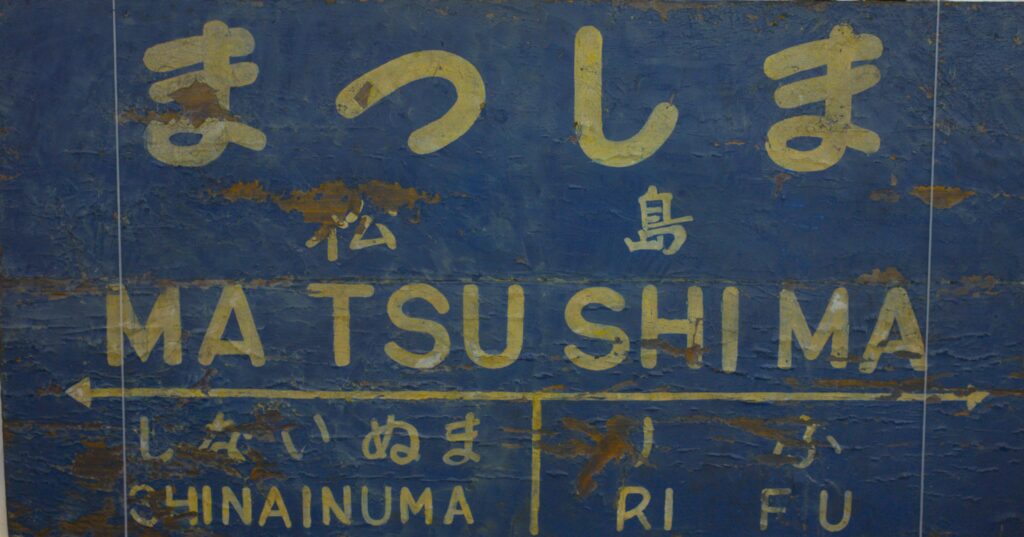
Matsushima

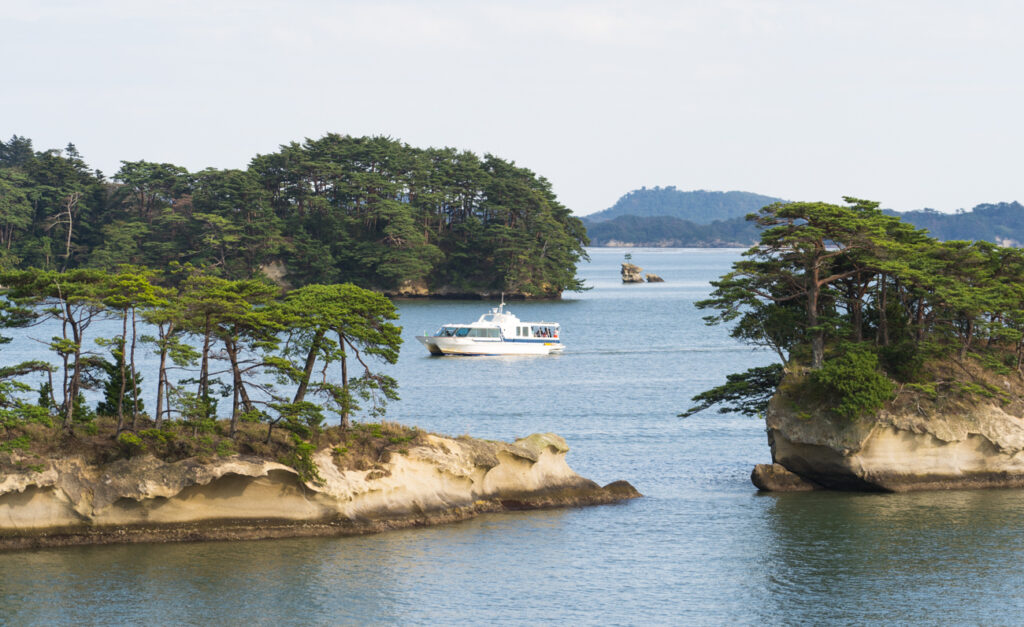
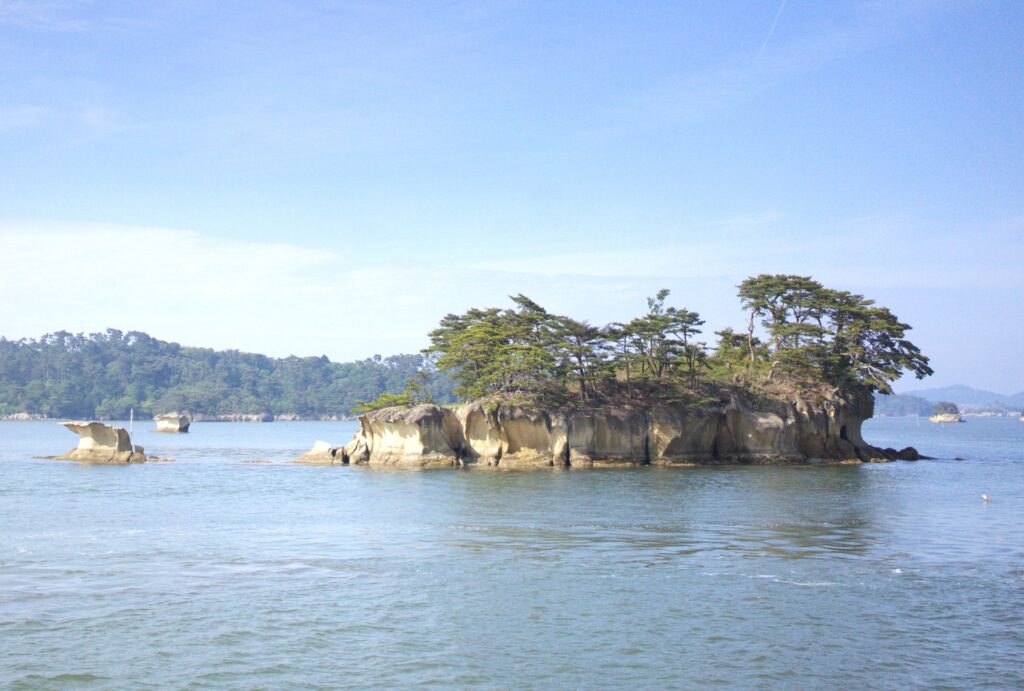
Matsushima Bay, located in Miyagi Prefecture in Japan’s Tohoku region, is widely celebrated as one of Japan’s “Three Most Scenic Views” (Nihon Sankei). Dotted with more than 260 small pine-clad islands, the bay has inspired poets, monks, and travelers for centuries. Its quiet beauty is often described as a perfect blend of nature and spirituality: steep rock formations shaped by the tides, wind-twisted pines clinging to cliffs, and expansive views that change dramatically with the seasons.

Beyond its visual charm, Matsushima is a culturally rich destination. The nearby town hosts historic temples, waterfront promenades, and a unique blend of local seafood traditions influenced by centuries of maritime life. Visitors come not only to admire the scenery but also to experience the depth of history, craftsmanship, and calm that surround the bay.


Today, Matsushima Bay remains highly accessible from Sendai City, making it a popular but still peaceful escape for both domestic and international travelers. Whether you cruise among the islands, explore ancient temples, or enjoy sunset from an observation point, Matsushima offers one of Japan’s most atmospheric coastal landscapes—an area where natural beauty and cultural heritage meet in harmonious balance.

Buddhist Culture, Samurai History

The islands of Matsushima Bay were formed over millennia through natural erosion, and by the Heian period the area was already renowned for its scenery. Poets such as Matsuo Bashō famously praised the bay, solidifying its place in Japan’s cultural imagination.

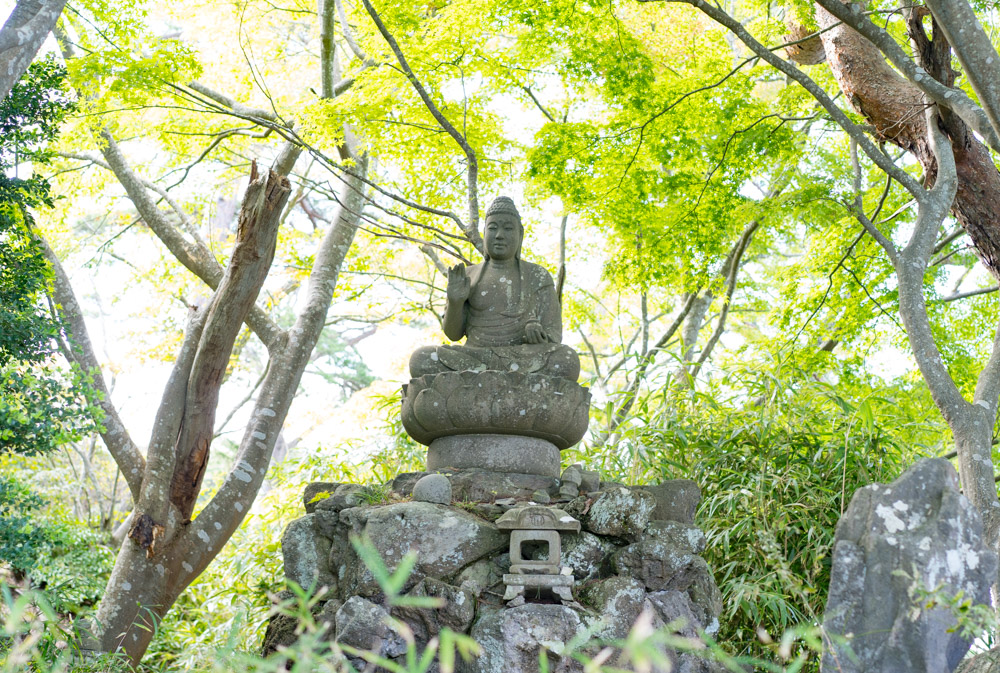
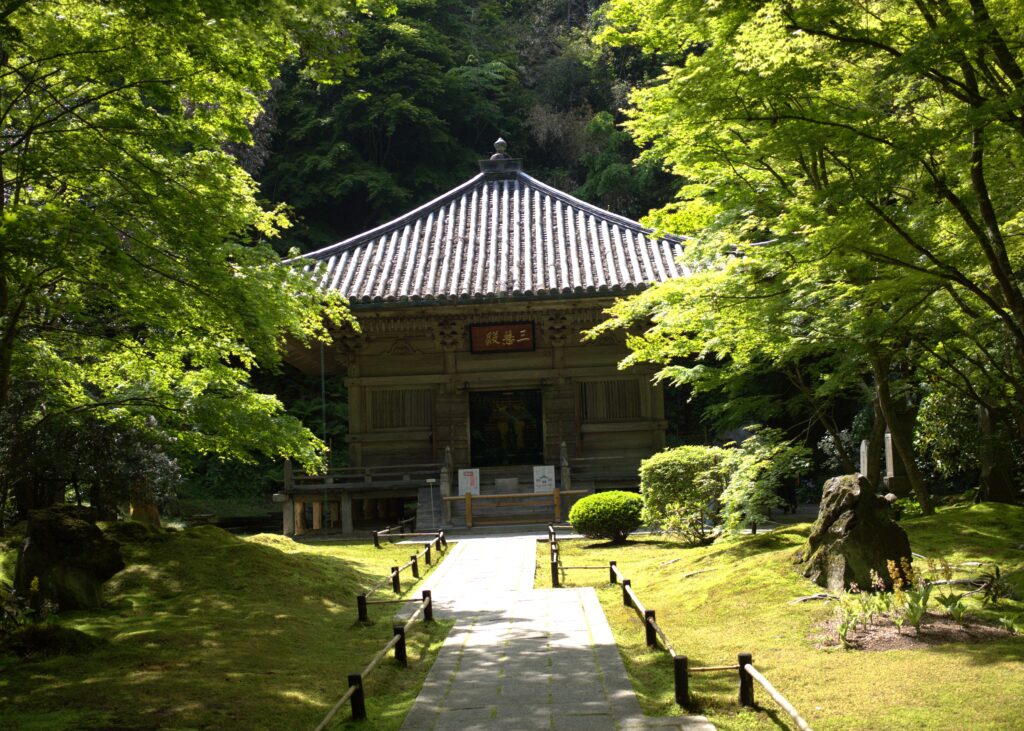
In the ninth century,  Tendai Buddhist monk Jikaku Daishi founded the original Zuiganji and Godaido temples. Date Masamune, Sendai’s Warring States Period daimyo, restored the Zuiganji and Godaido, and founded the third, Entsuin, in the early seventeenth century. All three temples are designated Nationally Important Cultural Properties, and all are within easy walking distance of the port. Godaido is located on a promontory, and is known as the symbol of Matsushima. Be careful crossing the sukashibashi red bridges to the temple itself! The boards are purposefully placed to compel would-be worshippers to pay attention to their surroundings.

The Oysters of Matsushima

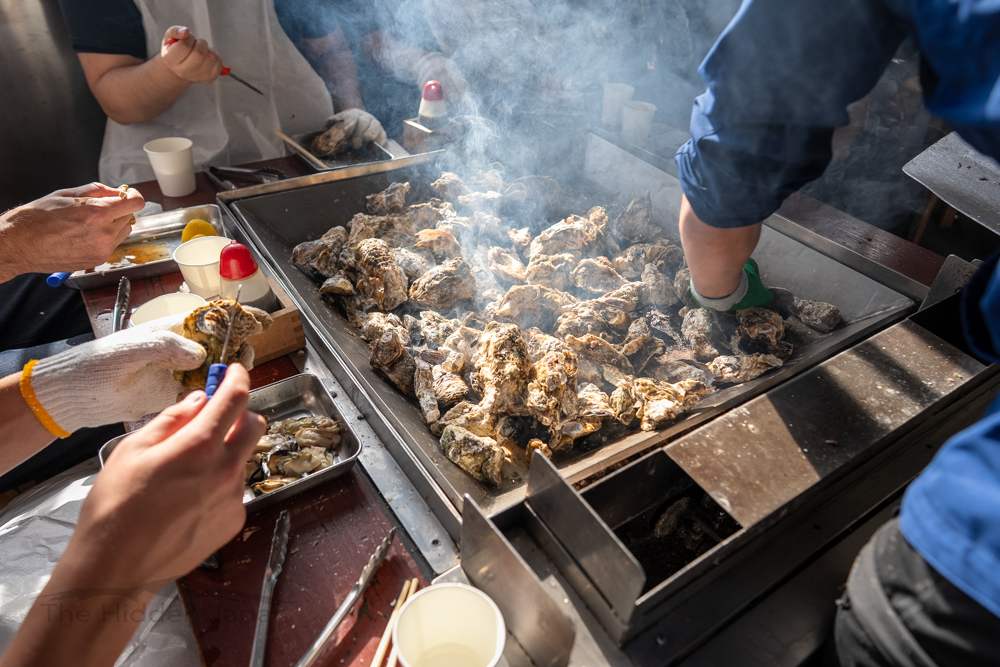
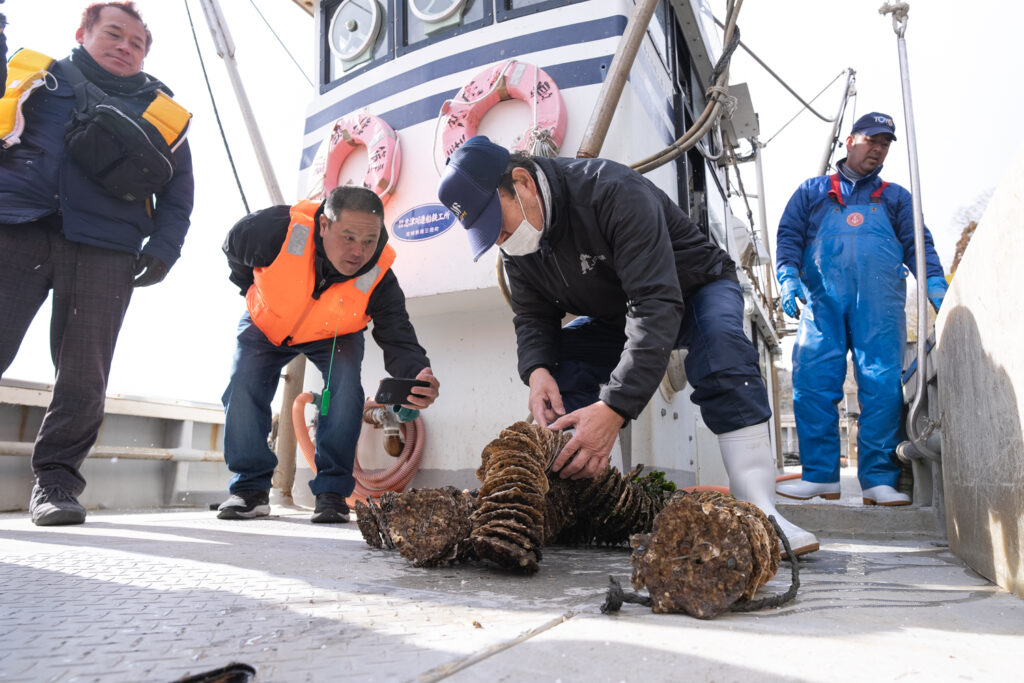
A breed of Pacific Oysters called Miyagi Oysters are the prized product of Matsushima. The islands and rich ocean current makes this bay the perfect place for aquaculture and raising oysters. The fishermen of Matsushima organize special tours to see the oysters growing in the bay where guests can see them at different stages of their growth and then to enjoy them for lunch at the Matsushima Fish Market. You can reach out to us about these tours on our contact form.


This tour also offers guests a way to see the islands of Matsushima away from the crowded tourist boats which can have hundreds of foreign tourists riding during the busy fall and summer months.

Tea with a View

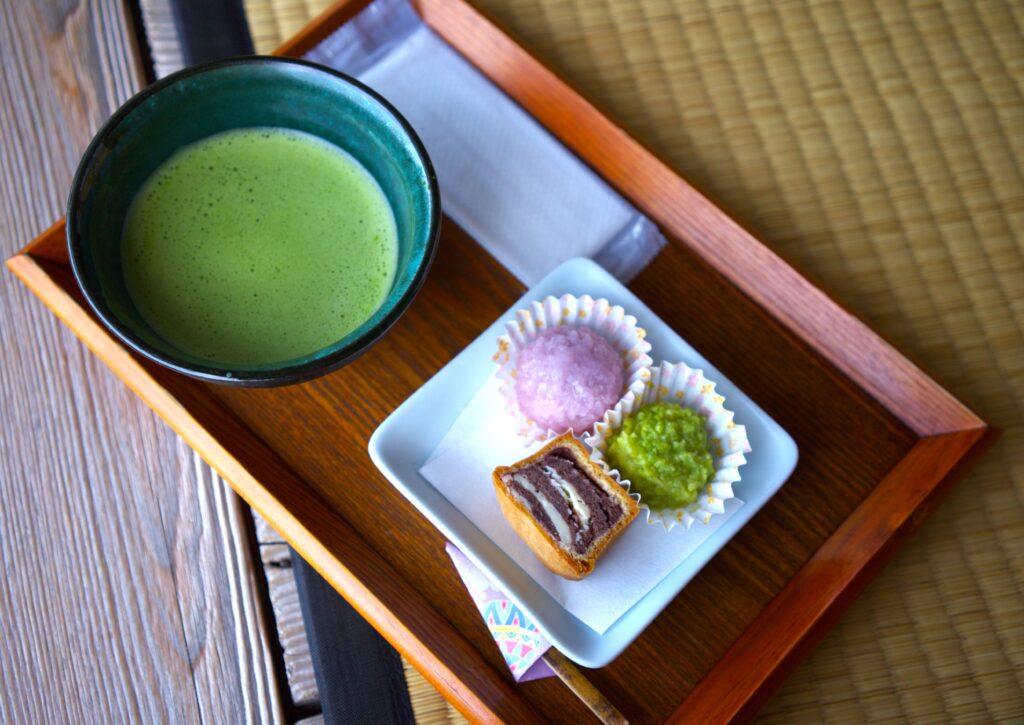
For travellers looking for an afternoon break from temple viewing, Kanrantei tea house offers a traditional Japanese matcha and wagashi set with a view of the bay. This former samurai tea house once hosted officials from the imperial court and other high-ranking visitors in its stunning gold-leafed inner sanctum.  

There is also a cafe located in Saigyo Modoshi no Matsu Park which offers spectacular views and more western fare, though it is something of a hike from the rest of the sights in town. 

Traditional Fare

You can find more traditional Buddhist fare at Ungai, a shojin ryori restaurant located on the grounds of Entsuin temple. Enjoy a delectable vegetarian kaiseki spread for lunch or dinner. Reservations must be made at least five days in advance, so be sure to secure your booking ahead of time.


Onsen Ryokan

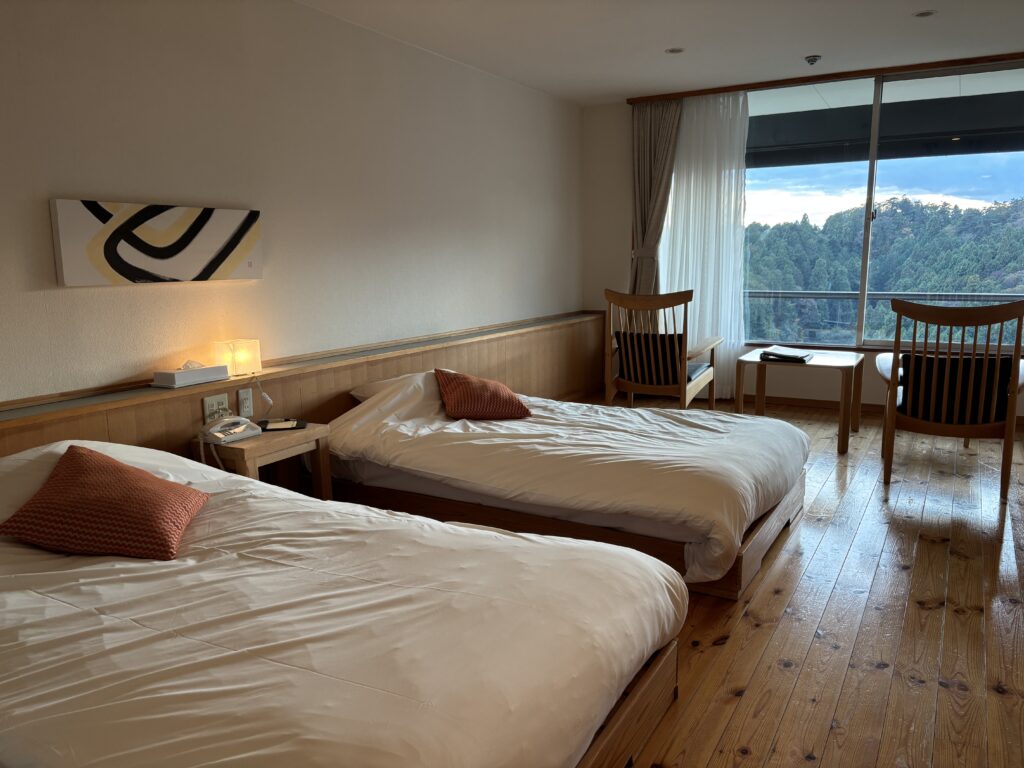
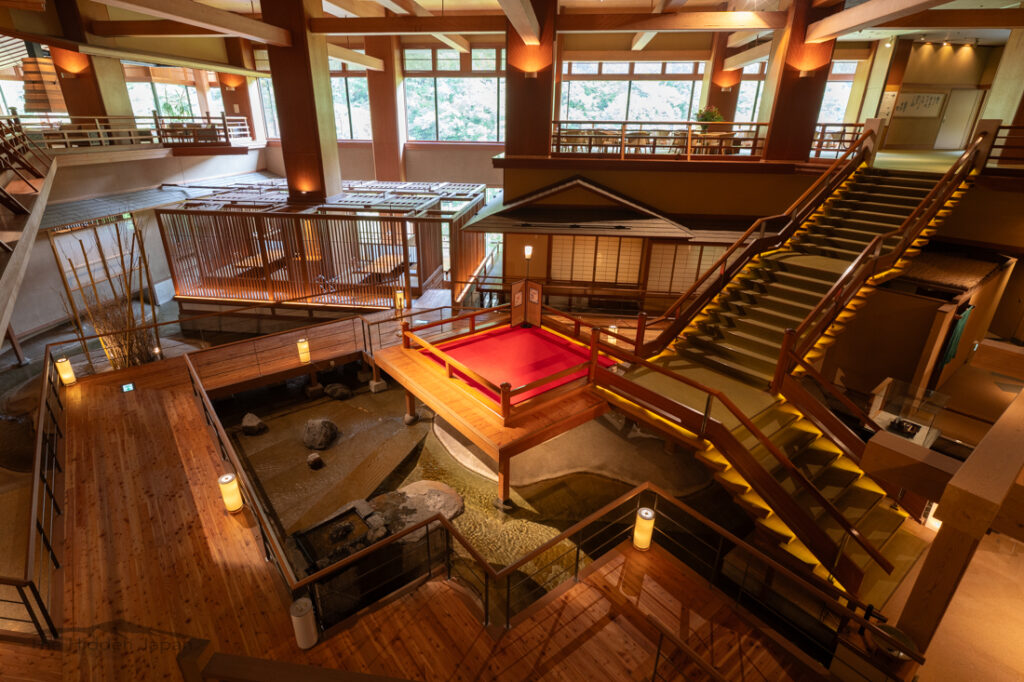
Matsushima’s mineral-rich alkaline hot spring waters can be experienced at several onsen ryokan, ranging from mid-range to luxury. You can enjoy the view that so captivated Basho while relaxing in the slightly opaque mineral waters of an outdoor onsen bath. These waters are good for soothing muscle pains and neuralgia. Some of the ryokan also offer day-trip passes, so even if you only have time for a day-trip you can still reap the benefits of the local onsen!

Island Hopping

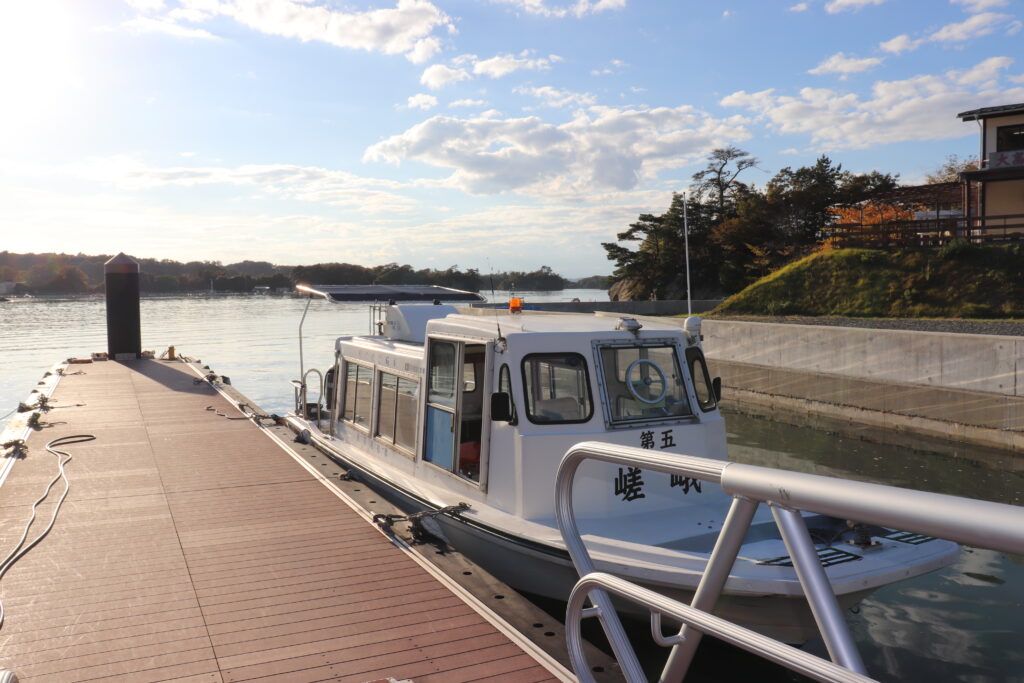
Matsushima is home to roughly half the islands dotting the famous Matsushima Bay. From the port you can take a sightseeing boat in a loop around some of the most popular islands or on to Shiogama.

Hands-on Experience

Entsuin temple offers a Buddhist bead bracelet making experience for a very reasonable extra fee, depending on the materials you want to use. Just ask if you can take part when you pay the entrance fee! 


Access to Matsushima

Matsushima can easily be accessed from Sendai via two public transport routes; the train and sightseeing boats. 

By train, you can take a JR Senseki to Matsushima-kaigen from Sendai in under an hour. 

By boat, take a JR Senseki to Shiogama. From Shiogama, take one of the hourly sightseeing boats from the Marine Gate to Matsushima. This is more expensive and time consuming, but turns the commute in sightseeing as well!

Either of these travel methods can be used to return to Sendai, although you should note that the last sightseeing boat leaves Matsushima at 5:00 pm.

Matsushima can also be accessed via car.

Elsewhere in Miyagi Prefecture

Shiroishi Umen: Guided Factory Tour of Kichimi Noodle Production

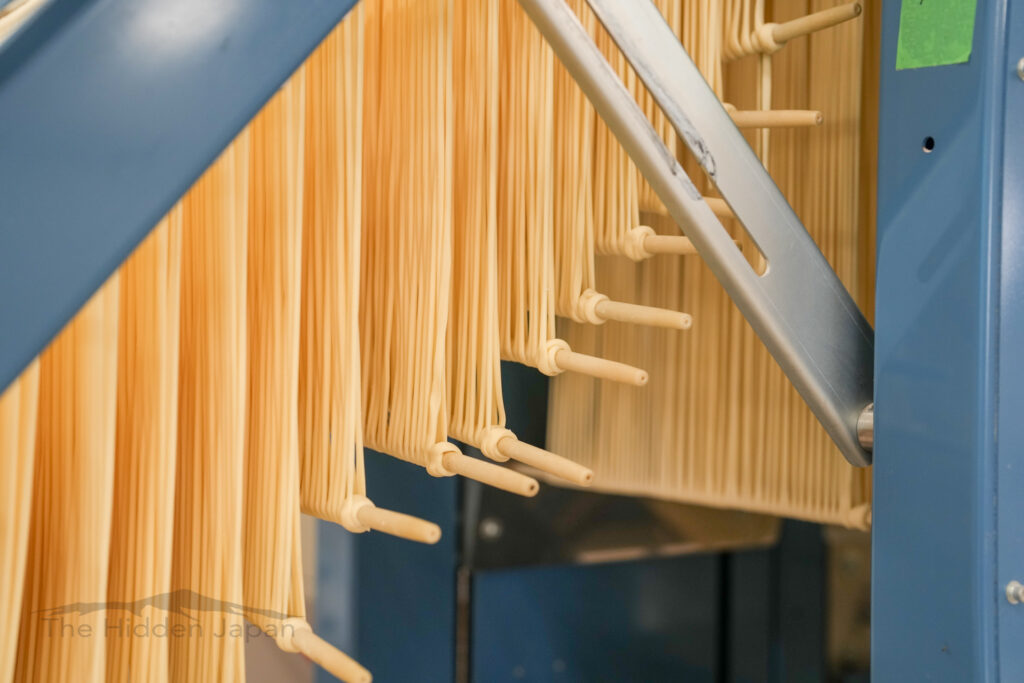
Founded in 1897 (Meiji 30), Kichimi Seimen has faithfully preserved the traditional techniques and spirit of Umen-making. At the factory, high-quality ingredients are carefully selected and processed using time-honored methods combined with modern technology. Every step—from mixing and kneading to aging, stretching, and drying—requires the experience and refined judgment of skilled artisans.
During the factory tour, you can witness the noodle-making process up close, where manual craftsmanship and modern machinery coexist in harmony.
See More »

Zasu Pottery at Hanayama: Gallery and Anagama (Traditional Wood-Fired Kiln) Tour

Zasu Pottery is one of the few remaining anagama (traditional wood-fired kilns) in the Tohoku region, continuing the tradition of producing unglazed, natural-fired pottery. Their work features everyday tableware as well as flower vases, tea utensils, and art objects, blending traditional techniques with designs that fit modern lifestyles.
During the experience, you will tour the old-style anagama kiln while listening to explanations from the pottery master.

See More »

Mt. Kurikoma Area Geo-Guide

Mt. Kurikoma Area Geopark, located around Mt. Kurikoma, features a rich and diverse natural environment. On this guided hike, learn the story of how people in the region have lived through and overcome numerous natural disasters, including earthquakes and floods.

See More »

Other prefectures

Sake Brewery Tour (Kanenoi Shuzo)

On this private brewery tour, we invite you to visit for a tour of this incredible natural water source and the sake brewery in Miyagi Prefecture. Afterwards, delight in the subtle flavors of this incomparable sake in a guided a tasting session with one of the sake makers. 

Read More »

Samurai Spirit Experience

Experience what it felt like to be a retainer of the castle town of the Sendai Date clan. You will have the opportunity to try out drawing a real sword, which is something you don’t usually get to do, and try out tea at the Zangetsu-tei teahouse, where you will experience the mindset of a samurai.

Read More »

Hidden Outdoor Okitama Tour

Interact with the abundant nature of the Okitama region- experience a hot air balloon ride, canoe in picturesque gorges and enjoy a night walking tour through the traditional Akayu onsen district.

Read More »

Ginzan Onsen

Ginzan Onsen is a picture perfect hot spring town nestled in the mountains in the deep countryside of Yamagata Prefecture.

Read More »