
The Samurai City of Aizu Wakamatsu
Fukushima Prefecture
Aizu Wakamatsu
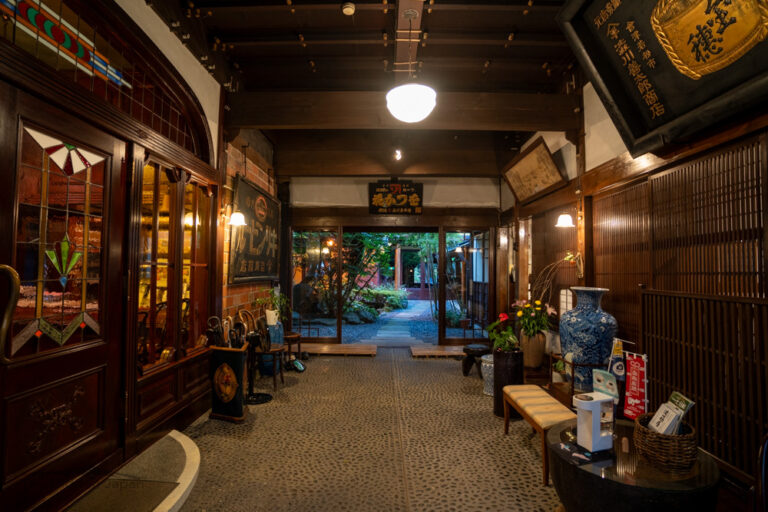
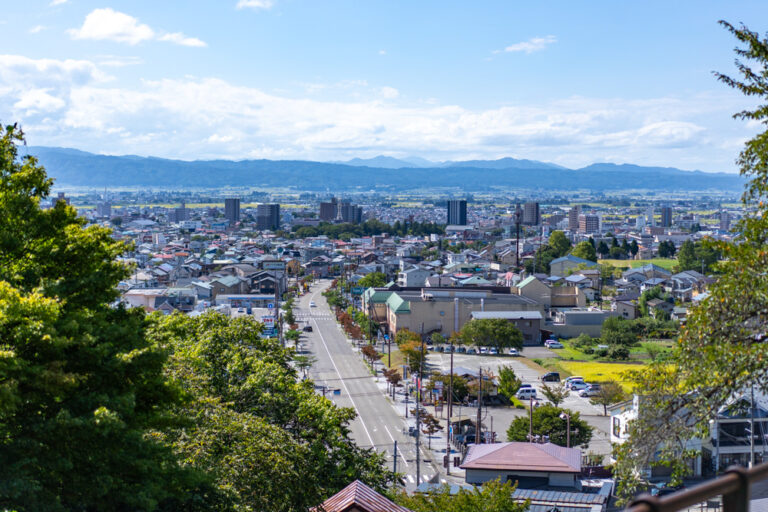
Located in the Northern part of Fukushima Prefecture, Aizu-Wakamatsu is one of the most historic and culturally rich cities in the Tohoku Region. Often referred to as the “Samurai City,” it preserves a strong connection to Japan’s feudal past while remaining a vibrant regional center today. Surrounded by mountains and located near the beautiful Lake Inawashiro and the historic village of Ouchi-juku, the city offers visitors a mix of historical landmarks, traditional culture, and scenic landscapes.
Quick Info
Address
1-1 Ekimaemachi, Aizuwakamatsu, Fukushima 965-0041, Japan (Aizu Wakamatsu Station)
Other tips
- Population: 119,232 (2020)
- Located in the Aizu Region of the Tohoku Region
- Realistically requires a rental car or taxis to get around
Aizu Wakatsu's Samurai Connections
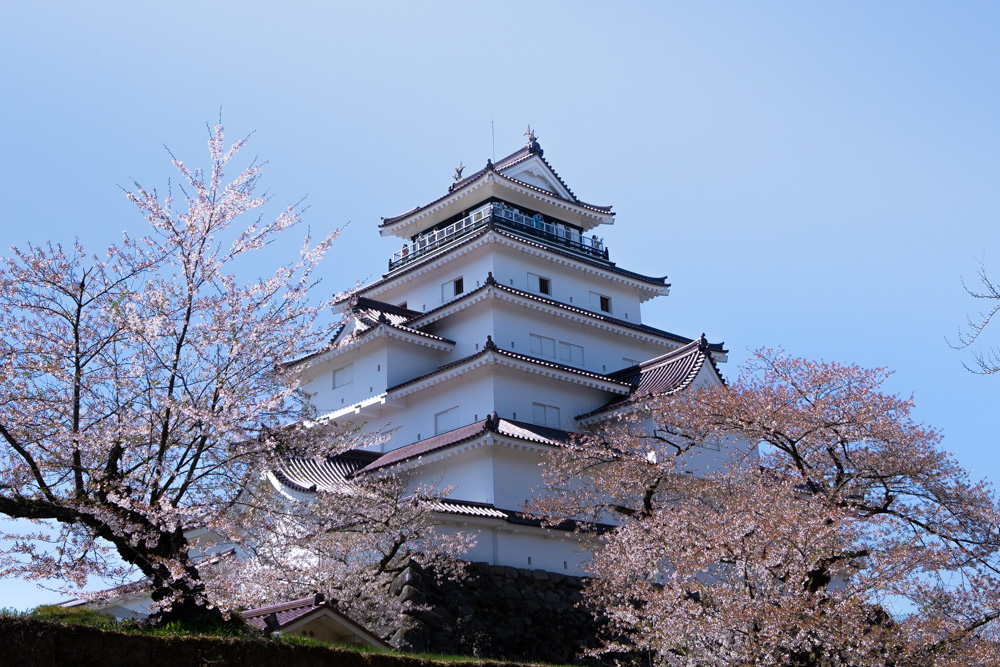
The history of Aizu-Wakamatsu dates back more than 600 years, but the city is most famous for its role during the late samurai period. The region was once the seat of power for the Aizu domain, ruled by the powerful Matsudaira clan during the Edo period. The domain was known for its strong samurai traditions and strict code of loyalty.
Aizu became nationally known during the Boshin War, a conflict that marked the end of the shogunate and the beginning of the Meiji government. Because the Aizu domain remained loyal to the shogunate, the region became one of the final strongholds resisting the new imperial forces. The city endured a long siege that ultimately ended with the fall of the castle.
One of the most famous stories from this period is that of the Byakkotai, a group of young samurai who tragically took their own lives after mistakenly believing their castle had fallen. Their story remains a powerful symbol of loyalty and sacrifice and continues to be remembered in Aizu today.
Despite the devastation of the war, the city rebuilt and preserved its heritage. Today, many museums, historic sites, and monuments throughout Aizu-Wakamatsu help visitors understand the region’s samurai legacy and its role in shaping modern Japan.
Historic Castle Town and Traditional Shopping Streets
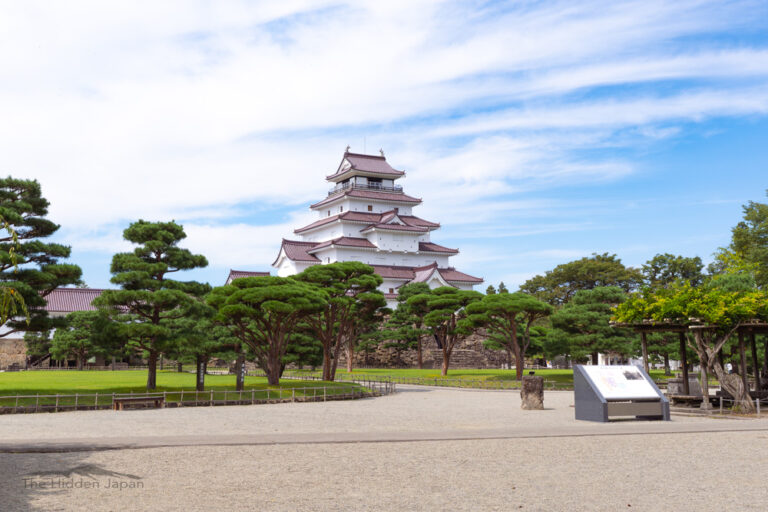
The heart of Aizu-Wakamatsu is Tsuruga Castle, one of the most iconic castles in northern Japan. Originally constructed in the 14th century and later rebuilt, the castle features striking white walls and a distinctive red-tiled roof. It served as the final battleground during the Boshin War and today houses a museum that explains the history of the Aizu samurai.
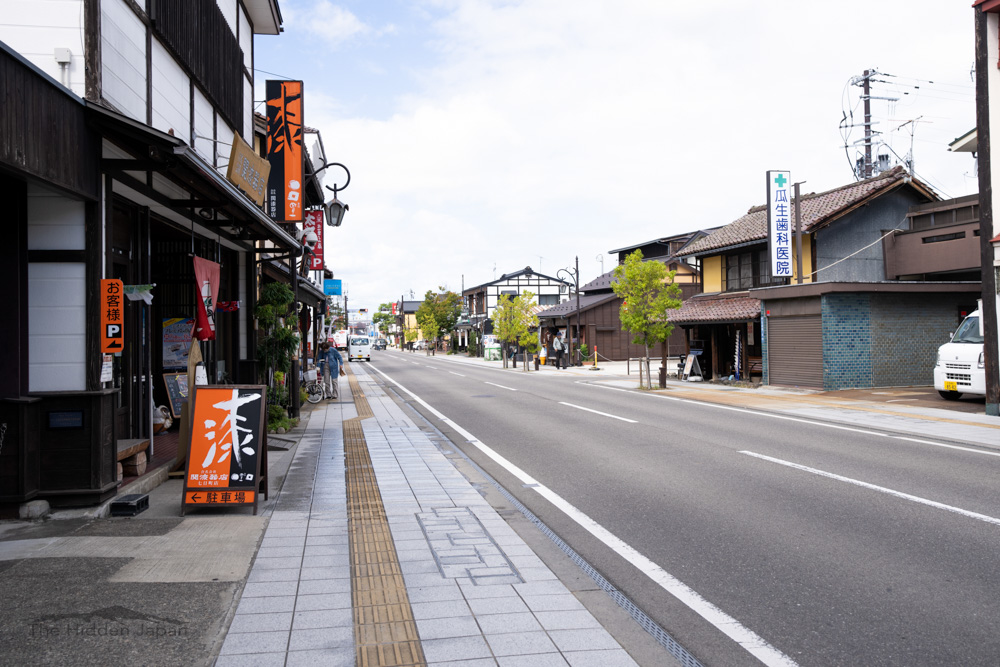
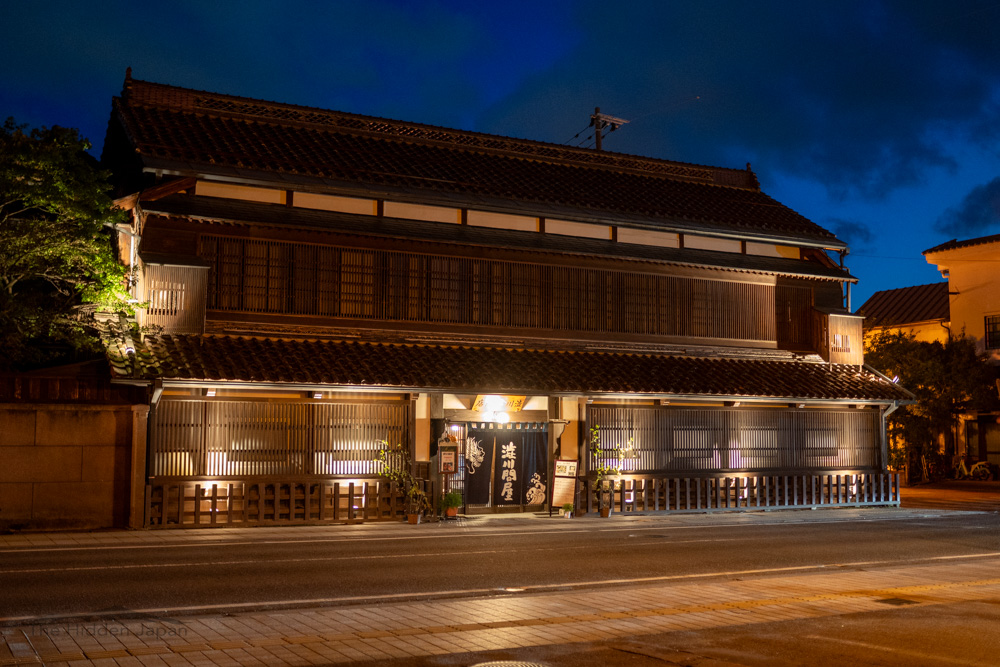
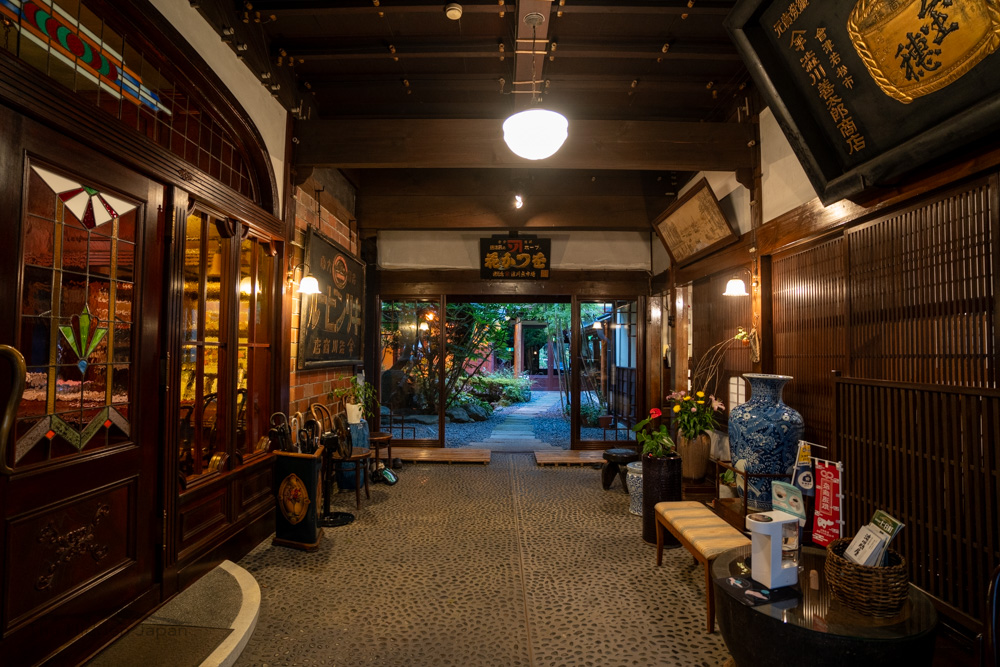
Around the castle, visitors can experience the atmosphere of a traditional Japanese castle town. One of the most popular areas is Nanokamachi Street, a historic merchant district lined with preserved storehouses and traditional buildings. The street is home to craft shops, sake breweries, and small cafes where travelers can experience local culture at a relaxed pace.
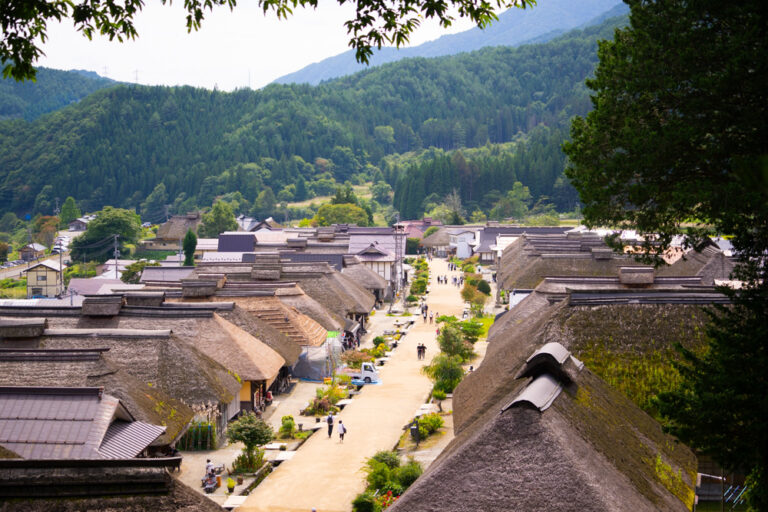
Another must-visit area is Ouchi-juku, a beautifully preserved post town located just outside the city. With its thatched-roof houses and traditional atmosphere, it offers a glimpse of life along Japan’s historic trade routes during the Edo period.
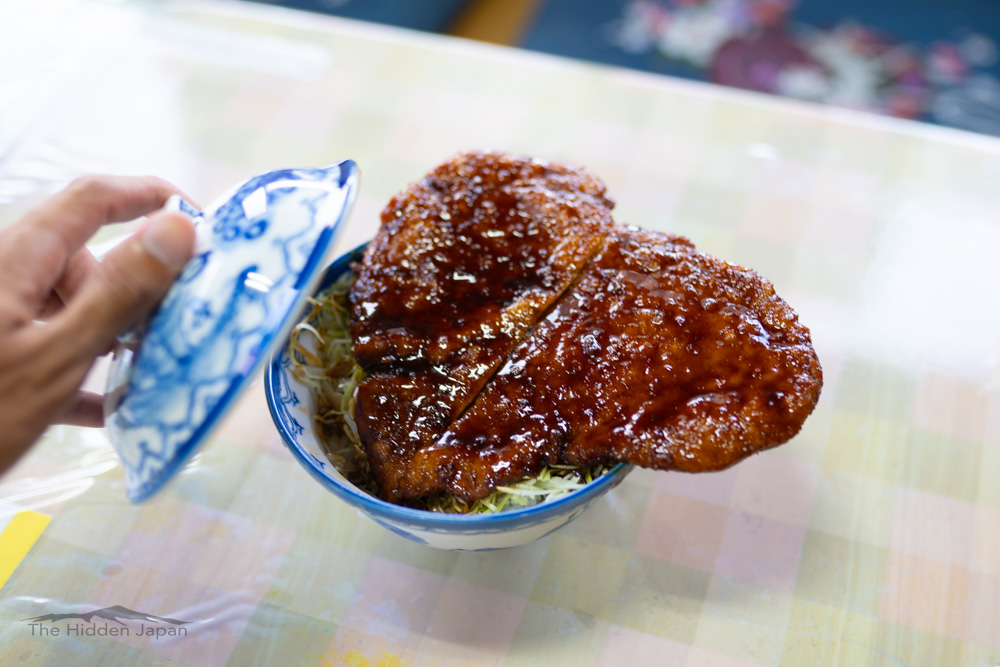
Local crafts and cuisine are also an important part of the city’s identity. Aizu lacquerware, traditional candles, and regional dishes such as Aizu sauce katsudon can be found throughout the historic districts, allowing visitors to experience the culture of the region in a very tangible way. There are also many traditional shops and restaurants spread across the downtown area offering many choices for meals during your visit.
Access from Tokyo and Sendai
Despite its historic atmosphere, Aizu-Wakamatsu is relatively easy to reach from major cities in Japan. From Tokyo, travelers can take the Tohoku Shinkansen to Koriyama in about 80 minutes. From there, the scenic JR Banetsu West Line connects Koriyama to Aizu-Wakamatsu in approximately one hour.
Visitors traveling from Sendai can also reach the city via the Tohoku Shinkansen to Koriyama before transferring to the Banetsu West Line. The total travel time is roughly two hours.
The journey into Aizu is part of the experience itself, as trains pass through scenic mountain landscapes and rural countryside typical of the Tohoku region. This accessibility, combined with its deep history and preserved culture, makes Aizu-Wakamatsu an excellent destination for travelers looking to explore a lesser-known but deeply meaningful part of Japan.